Choosing the right Retail Fixture is not simply a matter of filling empty floor space. It shapes how customers notice products, move through aisles, and handle items. A low table can invite browsing, while a tall shelf may hide a small product from view. These choices affect both the shopping experience and daily store operations.
Retail anthropologist Paco Underhill is associated with the reminder, “Retail is detail.” That idea matters when comparing fixtures: shelf height, reach, sightlines, and material can each influence how a display works. A practical choice should fit the merchandise, the store’s available space, and the staff’s restocking routine. It should also stand up to real use, not just look polished in a catalog. Small details count. A shelf that is awkward to refill can become a recurring frustration.
This guide introduces ten considerations for selecting fixtures, from function and flexibility to durability and visual fit. It is not a universal formula; a boutique and a busy grocery store have different needs. Even careful planning can miss something. A fixture may look right on paper, then crowd a narrow aisle once customers gather around it. Measure the space, test the layout where possible, and listen to staff who use it each day. Their feedback can reveal problems a floor plan does not show.
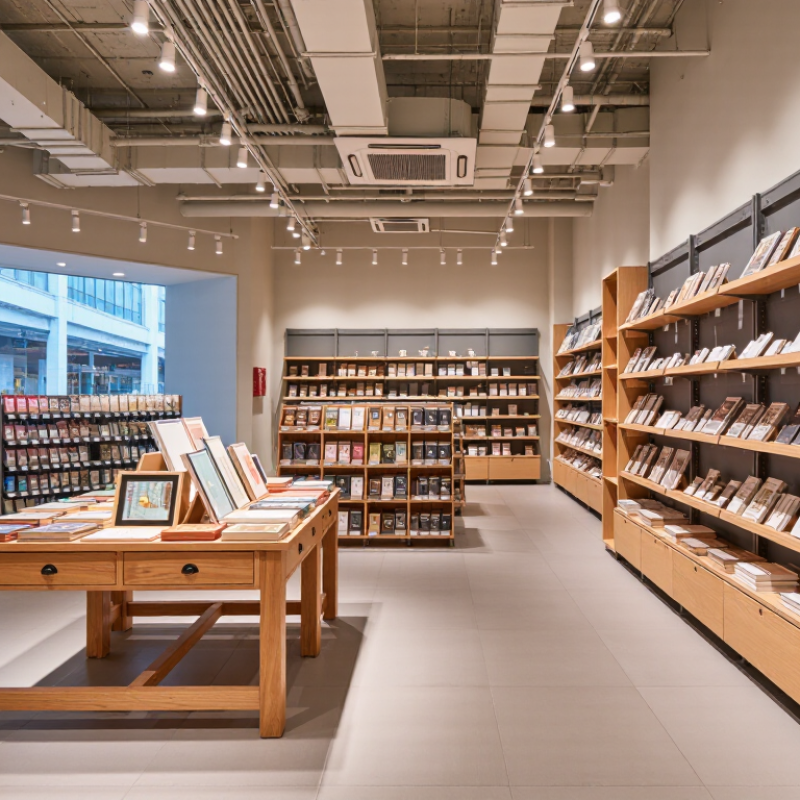
A fixture should solve a clear store problem, not simply fill an empty corner. Decide whether the display needs to introduce new arrivals, make essentials easier to find, or help customers compare options. Then choose one measurable goal, such as making a popular size easier to locate. A quick floor plan can mark the entrance, checkout, narrow aisles, and sightlines from the doorway. A tall unit may hold more, but it can also hide products. Small trade-off.
Customer needs shape the details. Observe where shoppers pause, reach, or ask staff for help. These moments can show whether shelves, hooks, bins, or a low table fit the task. Consider reach and mobility: frequently used items should be visible and comfortable to access, with enough room for people and carts to pass. Test the layout with a few customers, if possible, and ask what feels confusing. Their feedback may contradict the plan. That is useful. Check whether staff can restock and clean the fixture without disrupting the aisle. Plans often miss something, so leave room to adjust shelf height and spacing after observing real shopping behavior.
| Display Goal | Customer Need | Fixture to Consider | Placement Guidance | Measure of Success |
|---|---|---|---|---|
| Make new or seasonal products easy to notice | A clear, quick-to-scan introduction to unfamiliar items | Freestanding display table or tiered floor fixture | Place in a visible area without blocking entrances, sightlines, or circulation paths. | Compare product interactions and sales during the display period with a similar period before the change. |
| Help shoppers find related products together | A convenient way to browse complementary items in one area | Matching wall shelves, modular bays, or a coordinated table-and-shelf grouping | Group products by use or category and keep labels easy to see. | Track units per transaction and sales of the grouped products. |
| Improve visibility of small or detailed merchandise | Enough light and a comfortable viewing position | Glass-top case, adjustable shelf, or illuminated display unit | Position detailed products where customers can approach and view them without crowding. | Observe product engagement and compare sales by display location. |
| Support hands-on product comparison | Space to pick up, test, or compare items where appropriate | Open-access table, sample station, or low shelving | Keep demonstration items organized and provide a nearby place to return them. | Record demonstrations, customer questions, and conversion to purchase. |
| Make frequently purchased items easy to replenish and reach | Fast access to popular products with minimal searching | Adjustable gondola shelving or clearly labeled wall shelving | Place high-demand products in easy-to-reach locations and maintain visible price labels. | Monitor out-of-stock frequency, replenishment time, and sales. |
| Offer a more comfortable browsing experience | Room to move, pause, and browse without feeling crowded | Low-profile fixtures or narrow-footprint shelving | Keep main routes clear; in the United States, an accessible route is generally at least 36 in (915 mm) wide, subject to applicable requirements. | Check route clearance and gather feedback on ease of movement. |
| Help customers compare sizes, colors, or product variations | A complete, orderly view of available options | Slatwall, adjustable shelf system, or labeled hanging fixture | Arrange variations consistently and use clear size or category markers. | Track questions about availability, sales by variation, and restocking needs. |
| Protect products that need controlled access | Confidence that valuable or delicate items are handled securely | Lockable display case or secured shelving | Place the fixture where staff can assist while keeping products visible. | Review shrinkage, staff assistance requests, and sales. |
| Keep checkout-area add-on items organized | A quick, uncluttered view of small complementary purchases | Compact counter display or small impulse fixture | Keep the payment area and accessible counter space unobstructed. | Measure add-on purchase rate and monitor checkout congestion. |
| Adapt displays as inventory and promotions change | Current, accurate product information and a tidy presentation | Modular fixtures with adjustable shelves and changeable signage | Choose components that staff can reconfigure and clean using available tools and time. | Track reset time, display upkeep, and sales after each layout change. |
| Use these measures as store-specific evaluation ideas rather than universal benchmarks. Test fixture changes against your own sales, traffic, accessibility requirements, and customer feedback. | ||||
Use broad, stable shelves or low tables. Shoppers can compare colors without pulling down a tall stack.
Leave enough room between hangers to show each garment’s shape. Crowded rails make browsing harder.
Shallow trays or secure glass cases keep compact items visible. Leave gaps so small details do not disappear.
Steel can support heavier loads, while wood adds warmth. Laminate wipes clean, but damaged corners can be difficult to repair. Acrylic looks light, yet abrasive cleaning may scratch it.
Arrange products as they will appear in the store, then gently push the loaded fixture. Check its joints, shelf supports, and wheels. Test it loaded.
Use sturdy, low shelves. A wobbling fixture can feel unsafe when shoppers handle heavy items.
Adjustable shelves, replaceable panels, and standard connectors make layout changes easier. Extra fittings can loosen or go missing, though.
Watch shoppers move around it during a busy period. A deep table may block a narrow aisle. I once focused too much on appearance; the setup felt awkward in use.
Choosing the right Retail Fixture begins with understanding what the store needs to display and how customers should experience the space. Set clear display goals, consider shoppers’ needs, and select fixture types that suit the size, shape, and presentation requirements of the merchandise. A well-matched fixture can make products easier to notice and access while supporting a consistent store layout.
Before making a decision, measure the available space and plan clear, comfortable customer pathways. Compare materials for durability, appearance, and flexibility, especially if displays may need to change over time. Finally, weigh the initial budget against safety, maintenance, and long-term value. A thoughtful choice balances practical costs with lasting performance, helping create an organized, adaptable retail environment that works for both customers and staff.

 Hotter Commercial Equipment