Explore our flagship heavy-duty retail trolleys, built to withstand intensive daily use, optimized for European, German, and Asian commercial layouts.
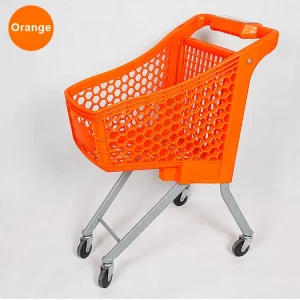
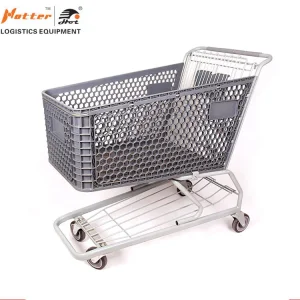
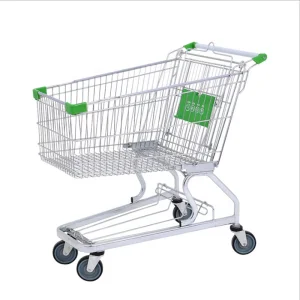
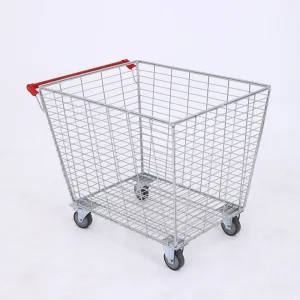
In the modern, high-velocity retail ecosystem, the humble shopping cart is no longer just a manual transport utility. It represents the primary touchpoint of the customer journey, a critical factor in in-store dwell times, and a significant contributor to average transaction value (ATV). At Guangdong Hotter Commercial Equipment Co., Ltd., we design and manufacture retail fleet solutions with a clinical focus on ergonomics, materials science, and total cost of ownership (TCO).
Established in 2016, our facility incorporates automated wire forming, high-pressure injection molding, and robotic MIG/TIG welding networks to construct commercial storage and retail systems that outperform traditional lifespans. By integrating advanced production logistics within our 26,800 square meter plant, we meet the rigorous procurement standards of hypermarkets, retail cooperatives, and global commercial display equipment importers.
Our manufacturing operations are built upon structured quality gates. Shopping carts are subjected to stress loads far exceeding nominal ratings to guarantee structural safety under maximum load-carrying conditions:
An in-depth analysis of supply chain consolidation, robotic automation, and economic scaling at Guangdong Hotter.
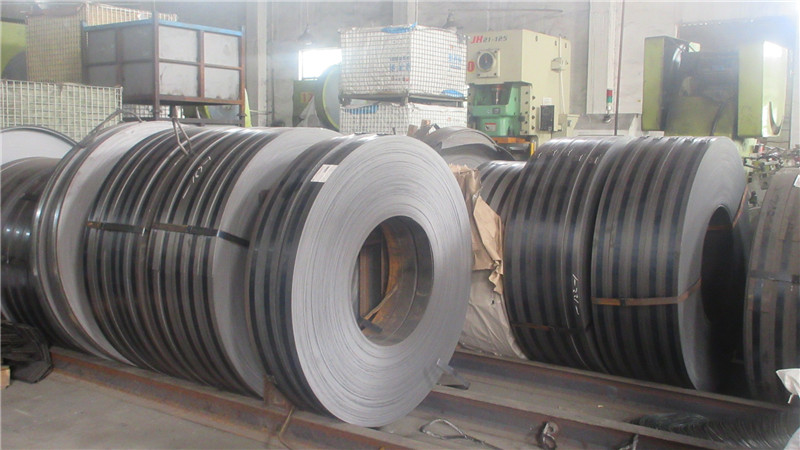
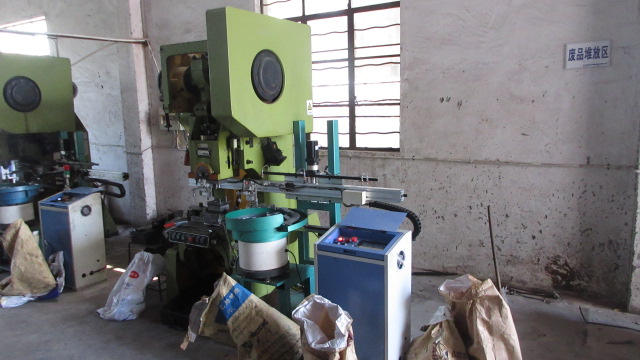
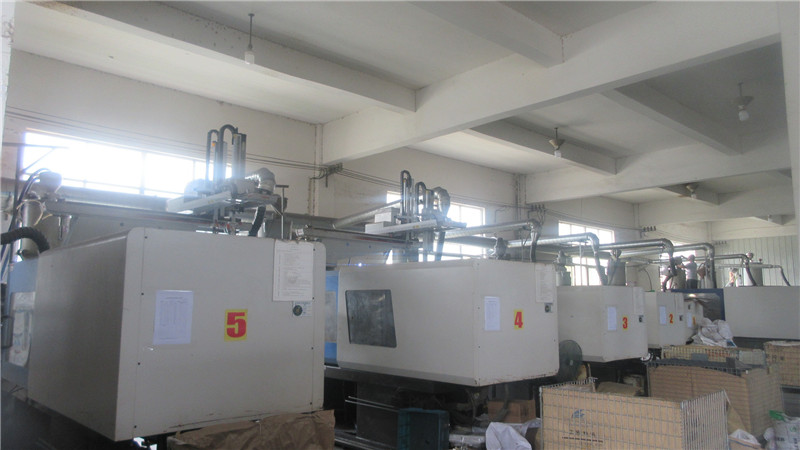
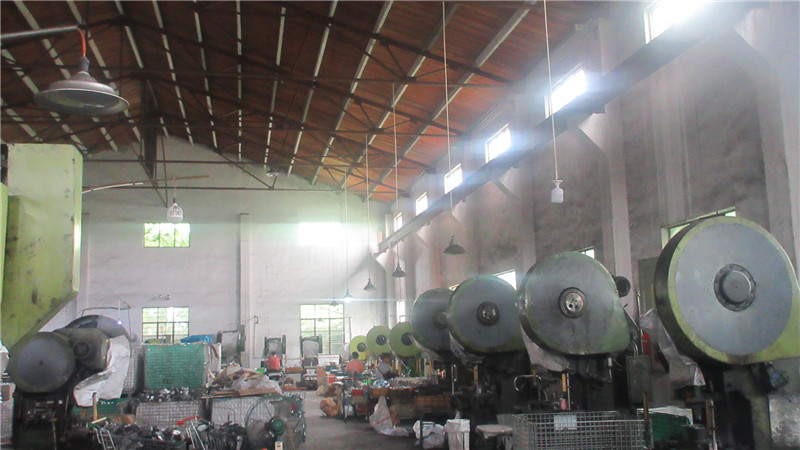
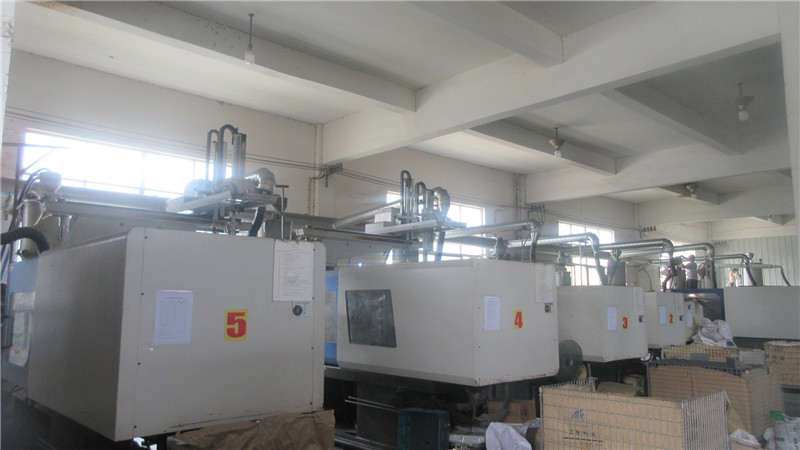
Our facility in Guangdong utilizes regional industrial clusters to access high-grade raw steel wires, premium polypropylene polymers, and chemical finishes at optimized costs. By managing sheet metal stamping, wire drawing, tube bending, and plastic injection under one roof, we eliminate intermediate logistics markups.
Precision wire grid structures require uniform welding points to prevent structural failure at high tension levels. Our robotic welding systems apply computerized voltage and pressure controls to ensure every joint has identical structural integrity, drastically reducing manual errors.
Our dedicated team of 68 professional engineers customizes products to match regional design preferences, load capacities, and corporate brand guidelines. With 186 new products introduced last year, we turn prototypes into market-ready retail assets quickly.
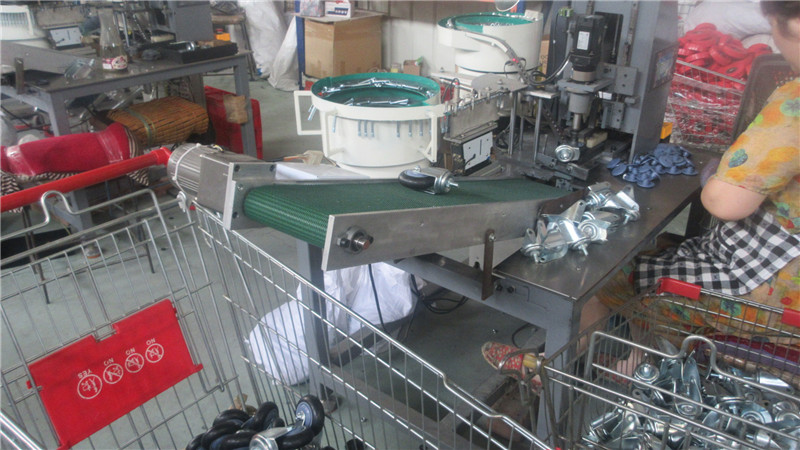
A transparent look at our specialized industrial machinery and processing lines on the factory floor.

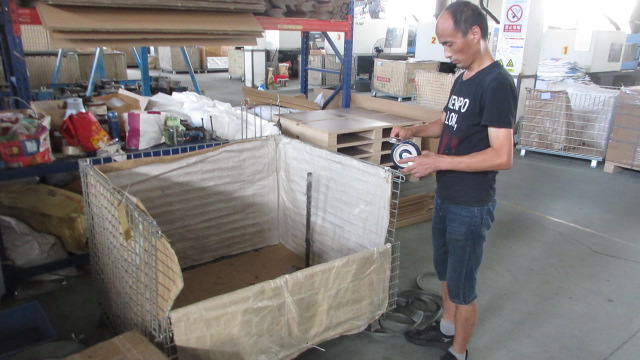
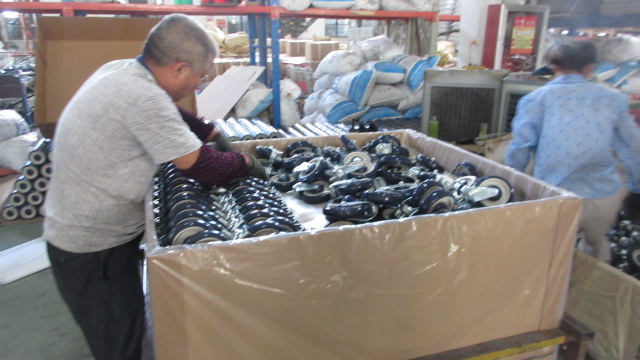
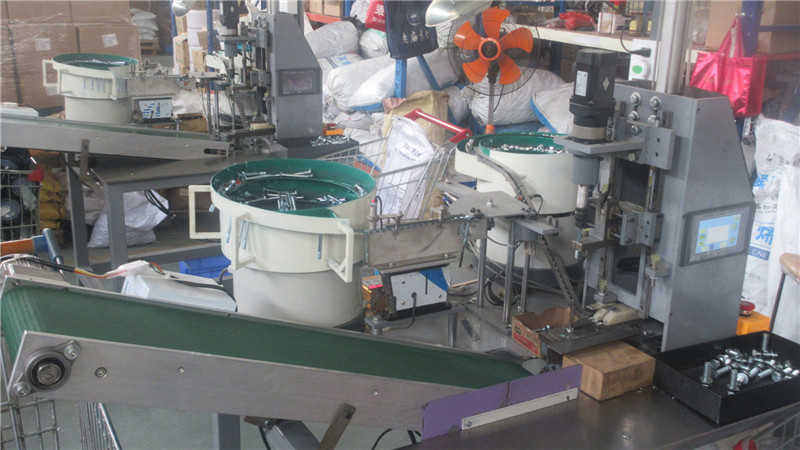
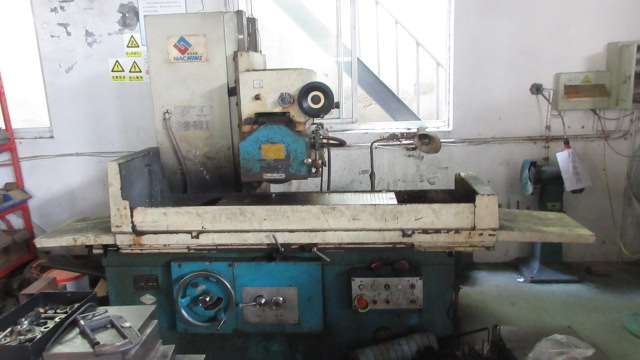
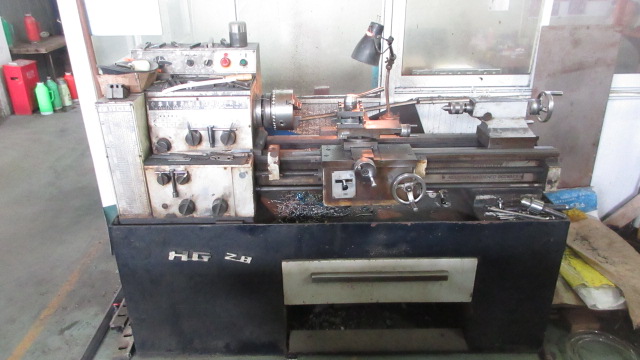
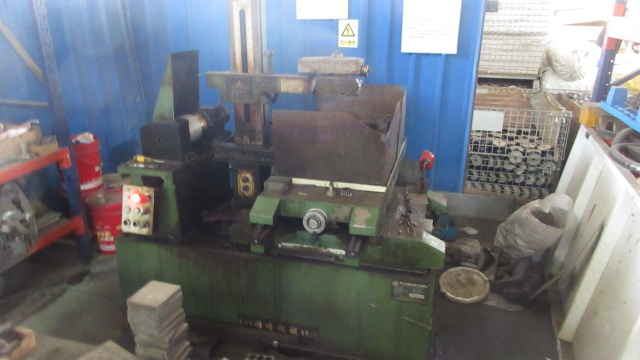
A shopping trolley's lifetime value is heavily determined by two elements: its surface treatment and its bearing mechanics. Poor surface coatings lead to early rust, while subpar casters increase roll resistance, causing floor wear and making carts difficult to maneuver.
Our carts utilize high-tensile steel wire structures that are treated with either zinc plating + transparent powder coating or electrophoresis. This dual-layer defense seals the substrate from moisture and impacts. For stores near coastal regions or humid areas, this finish protects against oxidation, maintaining a bright, clean appearance.
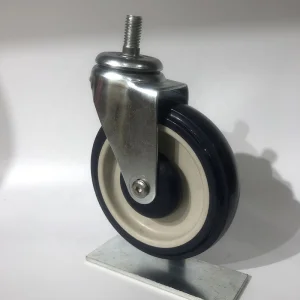
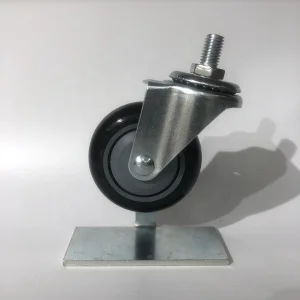
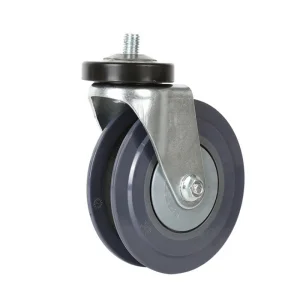
Our heavy-duty caster systems are equipped with integrated dust caps and precision-shielded ball bearings. Buyers can select from two main materials based on their retail environment:
Understanding different international design expectations is essential for successful global sourcing. We customize our cart chassis to match these regional operational styles:
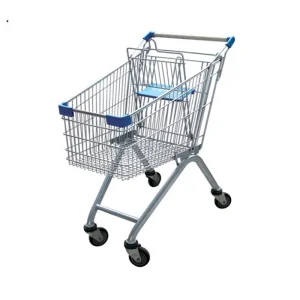
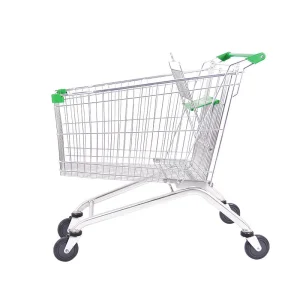
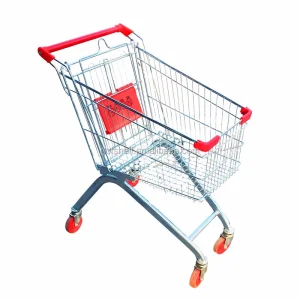
Euro Style: Feature a tapered wire basket mounted on a light, open wire frame base. This design is highly stackable, maximizing floor space while keeping the cart's weight low.
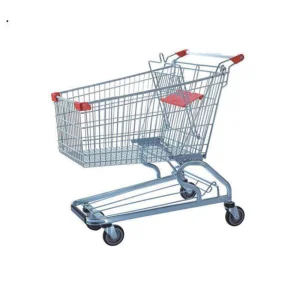
Germany Style: Focus on robust base frame configurations, often featuring integrated bottom wire racks or bottle shelves. This style is built to carry heavier loads and support larger overall basket volumes.
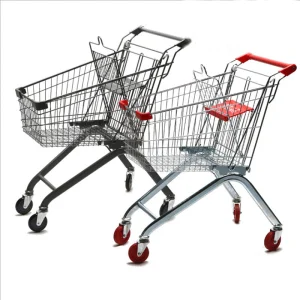
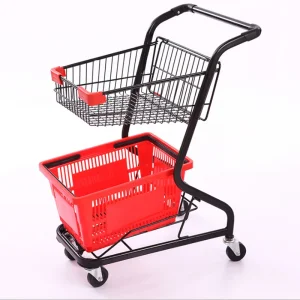
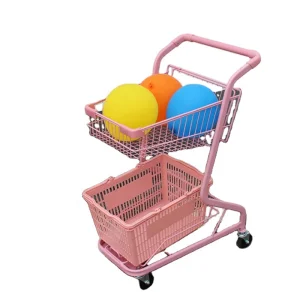
Asia Style: Designed with tight structural dimensions and double-basket layouts, making them easy to maneuver through narrower aisles in dense urban markets.
Adapting your retail hardware to meet digital integration demands and emerging green compliance standards.
Environmental regulations are prompting retailers to adopt sustainable designs. We manufacture hybrid wire-and-plastic carts using post-consumer recycled plastics, reducing our overall carbon footprint while maintaining high structural strength.
Modern smart carts are increasingly equipped with RFID trackers, tablet mounts, and self-checkout scanning brackets. Our engineering department designs customized handles and mounting structures to safely support these electronic accessories.
Maximizing the nesting density of carts reduces the footprint required for storage inside the store entrance. Our optimized frame geometries reduce the nesting distance (nesting pitch) of carts, saving valuable retail square footage.
Because shopping carts are large and contain mostly empty space, shipping costs can quickly exceed manufacturing costs if they are not loaded efficiently. To prevent this, we design our carts to stack tightly together during transport.
By designing frames that nest deeply into one another, we pack more carts into each container. This layout reduces total ocean shipping costs per unit. Our shipping team is experienced in arranging logistics for major international corridors, including North America, Europe, Southeast Asia, and the Middle East.
We also coordinate with importing agencies to manage import customs documentation, tariff codes, and port delivery schedules. This support ensures a smooth supply chain experience from our factory floor to your retail distribution center.
We partner with retail design agencies, general contractors, and retail equipment wholesalers. If you are designing a brand-new supermarket format or replacing a fleet across hundreds of store locations, we provide:
Direct technical answers from our engineering department regarding configurations, testing, and customization options.
For environments with high humidity or exposure to the elements, we recommend our hot-dip galvanized coating or zinc plating finished with a thick polyester powder topcoat. This combination seals the steel frame against oxygen and moisture, preventing rust and expanding the cart's working lifetime.
TPU (Thermoplastic Polyurethane) casters are ideal for indoor retail spaces because they run quietly, offer smooth maneuverability, and do not leave marks on tile or polished concrete floors. For outdoor parking lots with asphalt or uneven surfaces, PU or synthetic rubber casters provide better impact absorption and help protect the cart's structural frame.
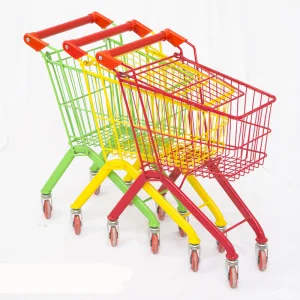
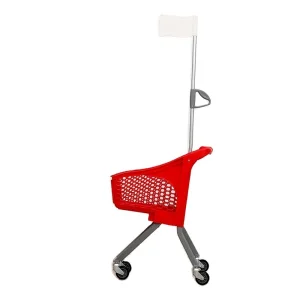
We offer complete customization, including adjustments to basket capacity (ranging from 60L to 240L), frame colors, branded handle sleeves, coin lock integrations, and child seat configurations. Our R&D team can also modify basket shapes to match specific store layouts and checkout width restrictions.
We maintain strict tolerances on the dimensional geometry of both our baskets and base frames. Every batch of carts is tested on a nesting line to ensure they slide together and pull apart smoothly. We also add protective plastic bumpers to contact points to prevent friction and wear during storage.
Our typical MOQ is one 20-foot container, which helps optimize shipping costs per unit. Production lead times range between 20 to 30 days depending on the customization required. For ongoing programs, we can establish stocking agreements to support rolling delivery schedules.
Maintain your fleet's performance with premium replacement wheels and discover specialized double-basket models.
 Hotter Commercial Equipment