What Is the Best Countertop Display for Retail in 2026?

Time:2026-11-17 Author:Sienna
0%

In 2026, the best Countertop Display is not simply the most attractive one. It must fit the product, the counter, and the way customers shop. A small display beside a checkout may need to hold impulse-buy items without blocking the payment terminal. A tiered design might make packaged goods easier to see, while a clear holder can keep product details visible. It depends on the setting. There is no universal winner.

This guide explores how to compare countertop displays by visibility, capacity, footprint, materials, and ease of restocking. It also considers practical details, such as whether shelves stay steady when customers pick up products and whether staff can wipe surfaces quickly. A display that looks polished in a product photo may feel bulky on a narrow counter. That matters. Where possible, check dimensions, weight limits, care instructions, and a physical sample before ordering. Results can vary with lighting, store layout, and product size, so even a sensible recommendation deserves a real-world check. The goal is a display that presents products clearly, works for staff, and earns its space at the point of sale.
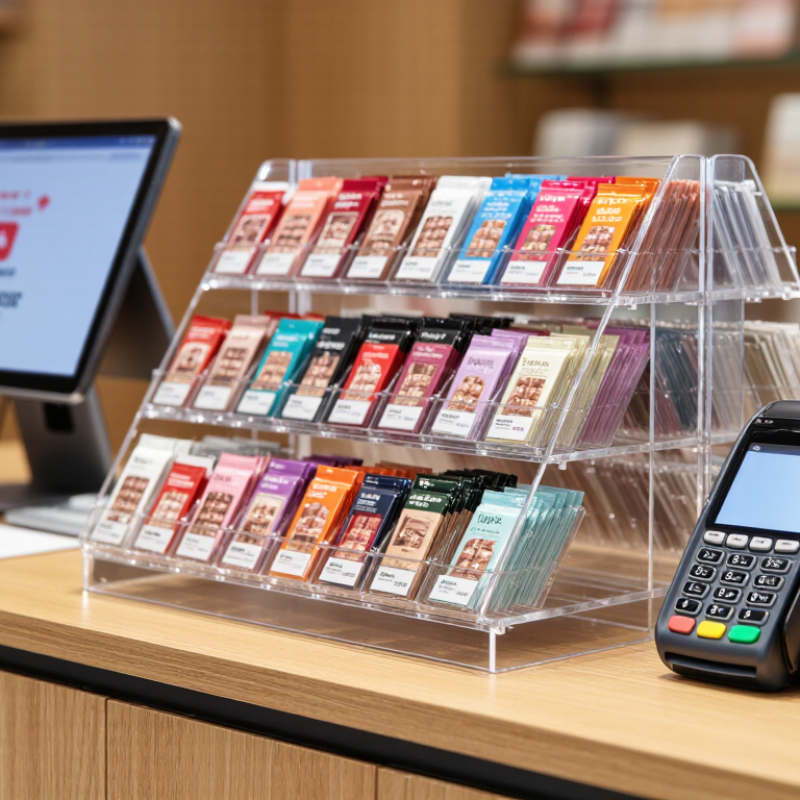
What Is the Best Countertop Display for Retail in 2026?

What Is a Countertop Display and How Is It Used in Retail?

A countertop display is a small product fixture placed at a checkout counter, service desk, or another reachable surface. It gives compact items a visible, organized place near customers. Retailers use these displays for samples, travel-size goods, accessories, and seasonal products. The exact choice depends on the item’s weight, package shape, and how quickly staff can refill it. A shallow tray may suit flat packets, while a divided unit keeps small boxes upright. Keep the product easy to pick up. If shoppers have to move several items to reach one, the display is working against itself.

In daily retail use, placement matters as much as appearance. A display beside the payment terminal can catch attention during a brief wait, but it should not block the screen, queue, or staff’s working area. Check that the fixture stays stable when someone removes the front item. Also consider the counter material: rough edges or a heavy base can leave marks. Small details matter. Staff should be able to restock it without unpacking the whole unit. Track sales and refill frequency for a few weeks, then adjust the assortment or position. That test is useful, though not perfect; weather, promotions, and store traffic can all change the results. A neat display may still underperform if the product is hard to understand at a glance.

Which Factors Define the Best Countertop Display in 2026?

In 2026, the best countertop display is the one that fits the product, the checkout space, and how shoppers browse. Measure the usable counter area before choosing a footprint. A display that blocks payment equipment or staff sightlines creates friction, even when it looks polished. Check viewing height from a standing customer’s position. Labels and key product details should remain easy to read under the store’s actual lighting. Small details matter.

Durability, easy restocking, and clear product access also define a practical choice. A sturdy base helps prevent wobbling when customers handle items, while smooth edges and cleanable surfaces support daily upkeep. Consider whether staff can refill the display without removing every product. Cardboard may suit a short promotion; reusable wood or metal may make more sense for longer use. The right material depends on traffic, budget, and the display’s expected lifespan. Still, a highly customized design can be harder to adapt when products change. That trade-off is easy to overlook. Track sell-through and staff feedback after installation, then adjust placement or signage. A small test on one counter can reveal more than a confident guess.

What Is the Best Countertop Display for Retail in 2026? — Which Factors Define the Best Countertop Display?

The best display depends on the product, counter space, store environment, and replenishment routine. The suggested weights below are a practical selection framework, not a market-wide survey; adjust them to match the retail setting.

Selection Factor Suggested Weight What to Measure or Check What a Strong Choice Looks Like Why It Matters
Counter footprint and stability 20% Measure the available width and depth, including space needed for checkout equipment and customer access. Check the loaded display for wobble or tipping. Fits within the allocated area, leaves the counter usable, and remains stable with the intended products loaded. A display that obstructs work or customer access is less practical, even if it holds more product.
Visibility and product access 20% Check whether products and prices can be seen from the customer’s approach. Test whether shoppers can take an item without moving other products. Product faces are easy to see, key information is legible, and items can be reached without disrupting the display. Clear presentation helps customers understand the offer and interact with the products.
Capacity and load suitability 15% Count the products the display needs to hold and check their combined weight against the display’s stated load capacity. Holds the planned stock quantity without overloading shelves, hooks, slots, or the base. Capacity should suit both the product’s size and weight; a display made for lightweight items may not suit heavier products.
Refilling and maintenance 15% Time a routine refill and check how easily staff can clean surfaces, rotate stock, and replace price or product information. Restocks quickly, has accessible product compartments, and can be cleaned with methods suitable for its material. Simple upkeep reduces avoidable effort during daily retail operations.
Durability for the store environment 10% Consider expected handling, exposure to moisture or spills, cleaning frequency, and whether the display will be moved often. Material, joints, edges, and finish are suited to the expected use and cleaning routine. Displays in busy or frequently cleaned areas may need more durable construction than short-term placements.
Price and message flexibility 10% Check whether signs, prices, or product information can be changed without replacing the whole unit. Information can be updated clearly, and the display can accommodate the planned range or promotional changes. Flexible messaging can help keep product information current as prices and assortments change.
Material use and end-of-life options 10% Ask what materials are used, whether components can be separated, and what local reuse or recycling options are available. Material choices match the required service life, and disposal or reuse options are understood before purchase. End-of-life options depend on material composition and local collection facilities; recyclability should not be assumed from appearance alone.
Suggested total 100% Compare suitable options against the same criteria, then prioritize the factors most important to the product and store.

How Do Display Types and Materials Suit Different Products?

A countertop display should match a product’s weight, handling, and shopping speed. The 2012 POPAI Shopper Engagement Study reported that 76% of purchase decisions are made in-store. Visibility and easy access matter. Small packaged snacks, stationery, and travel-size toiletries suit open-front trays, where shoppers can scan items and pick them up without shifting stock. Keep prices visible, too.

Corrugated board works well for lightweight goods and short seasonal campaigns. It is easy to print and replace, but can weaken near spills or under frequent restocking. Clear acrylic or PET can showcase cosmetics and compact accessories while keeping products visible; add dividers to prevent small items from sliding. For heavier goods, a rigid wood or metal base may offer better stability, though it adds weight and can make frequent layout changes harder. Test a filled display on the actual counter. It may wobble.

Material claims need care. The U.S. Environmental Protection Agency’s 2018 materials report estimated a 96.5% recycling rate for corrugated containers. That figure does not guarantee a finished display is recyclable: coatings, adhesives, and mixed materials can complicate sorting. Ask suppliers what components separate easily, and check that the display fits the store’s collection system. A design that looks sustainable but cannot be sorted is a weak choice.

What Is the Best Countertop Display for Retail in 2026?

How do display types and materials suit different products?

How to read this: Higher scores indicate a stronger practical fit. Corrugated board suits lightweight packaged goods and short campaigns; acrylic keeps cosmetics and small electronics visible; wood creates a premium look for gifts; and metal is a sturdy option for heavier items. Scores are editorial recommendations, not measured market data or load ratings. Confirm a display’s dimensions and weight capacity with its supplier.

How Can Retailers Choose a Display for Their Store and Goals?

How Can Retailers Choose a Display for Their Store and Goals?

Start with the job the display must do: introduce a new item, encourage add-on purchases, or make a small product easier to notice. The 2012 POPAI Shopper Engagement Study estimated that 76% of purchase decisions were made in store. That figure is an older, U.S.-focused benchmark, not a promise of results. Still, it supports giving shoppers a clear, useful point of contact. Match the display to the product’s size and weight. Leave room for fingers to pick up items, and keep the price visible. Small details matter.

Then consider the counter itself. A narrow checkout ledge needs a compact footprint; a service counter may allow a taller display that explains product features. The U.S. Census Bureau reported that e-commerce represented 16.1% of U.S. retail sales in the fourth quarter of 2024, leaving physical stores with a substantial role in shopping. Check sightlines, refill time, and whether staff can clean around the unit. Set one measurable goal, such as weekly units sold, and test a small run before ordering more. A polished mock-up can still disappoint. Track what shoppers actually pick up, not just what looks good in a photo.

What Retail Trends Are Shaping Countertop Displays in 2026?

Retail countertop displays in 2026 are becoming compact, flexible tools for discovery, not miniature billboards. Shoppers expect useful product information at the shelf, while retailers need fixtures that adapt to promotions and limited counter space. McKinsey’s 2021 personalization research found that 71% of consumers expect personalized interactions, while 76% feel frustrated when they do not receive them. A QR code can link a small display to more product details, but it should never replace readable pricing or clear packaging. Keep it helpful.

Sustainability is shaping material choices, too. PwC’s 2024 Voice of the Consumer Survey found respondents were willing to pay an average of 9.7% more for sustainably produced goods. Recyclable board, replaceable graphics, and durable parts are worth testing. Still, “eco-friendly” claims need evidence; a natural-looking finish proves little. Track restocking time, damaged units, and sales per display, then refine designs using store-level results.

Tips: Leave space for payment and browsing. Place one featured item at eye level, add a scannable code, and test the display under real store lighting. Screens may attract attention, but sometimes they just add clutter.

FAQS

What is a countertop display?

It is a small fixture for products on a checkout counter or service desk. It keeps compact items visible and reachable.

Which products work well in countertop displays?

Samples, travel-size goods, accessories, and seasonal items often fit. Flat packets suit shallow trays; small boxes may need dividers.

Where should a countertop display be placed?

Put it where waiting customers can see and reach it. Keep payment screens, queues, and staff work areas clear.

How can retailers make a display easy to use?

Leave room for fingers to lift each item. Keep prices readable, and avoid stacking products in front of one another.

What materials are suitable for these displays?

Cardboard can work for a short promotion. Reusable wood or metal may suit longer use, depending on traffic and budget.

How can staff restock a display efficiently?

Choose a unit that can be refilled without removing every product. Check whether staff can clean around its base.

How can retailers tell whether a display is working?

Track weekly sales and refill frequency for a few weeks. Ask staff what shoppers pick up. The results can be messy.

What should retailers test before ordering more displays?

Try one display on a single counter first. Measure sales, check sightlines, and note whether shoppers understand the product quickly. A photo proves little.

Conclusion

The best Countertop Display for retail in 2026 is one that makes products easy to notice, understand, and access while fitting the store’s space and sales goals. Countertop displays place items near checkout areas or other high-traffic spots, helping retailers highlight compact products, encourage discovery, and keep merchandise organized. Choosing the right design means considering product size and weight, customer access, durability, available space, and how easily the display can be assembled, restocked, or moved.

Different products call for different display styles and materials: lightweight options may suit short-term promotions, while sturdy paperboard, wood, or reusable materials can support longer use. Retailers should also consider visual clarity, brand-neutral store aesthetics, budget, and whether the display can be adapted for changing products. In 2026, practical, space-efficient designs, responsible material choices, and flexible layouts are shaping countertop displays, helping stores balance appealing presentation with everyday functionality.

Sienna

Sienna

Sienna is a skilled marketing professional with a deep expertise in our company’s core products and services. With a passion for innovation and detail, she plays a pivotal role in crafting insightful blog posts that not only highlight the unique features of our offerings but also provide valuable......