Choosing the right platform trolley can greatly enhance your efficiency and ease of transportation. With various options available, it’s essential to understand your specific needs. Consider the weight you will carry and the type of surfaces you'll navigate.
A platform trolley is not just a tool; it's an investment in productivity. Different designs suit different tasks, from industrial settings to home use. Pay attention to load capacity and durability when selecting your trolley.
Many people overlook these factors and later face challenges. Insufficient research may lead to purchasing the wrong size or style. A thoughtful approach can prevent such pitfalls and ensure you select the perfect platform trolley for your needs.
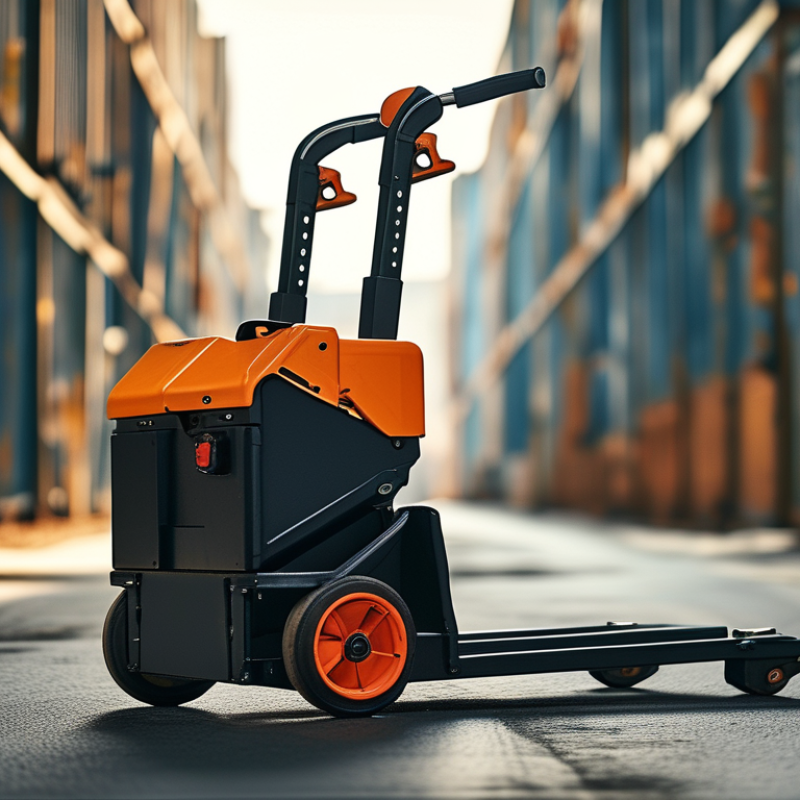
When selecting a platform trolley, it’s crucial to understand the different types available. Generally, these trolleys can be categorized into manual and powered options.
Manual trolleys require physical strength, making them ideal for lighter loads. Powered trolleys are efficient for transporting heavier items with minimal effort.
Another important distinction is between foldable and non-foldable designs. Foldable trolleys can save space, which is a significant advantage in tight areas. Non-foldable trolleys are sturdier and often used in industrial settings. Evaluating your workspace can help determine which option suits you best.
Tips: Before purchasing, consider weight capacity. Each trolley has a unique limit. This ensures safe transport of goods. Additionally, check the wheels. Larger wheels are better for rough terrain. Your choice should align with your environment and needs. Always keep future needs in mind too. Reflect on how your usage might evolve.
When choosing a platform trolley, several key features warrant your attention. The weight capacity is crucial. A typical platform trolley can support weights ranging from 150 kg to over 500 kg, depending on its design. Assessing your load requirements helps ensure the trolley meets your operational needs.
Another vital aspect is the wheel size and type. Larger wheels, often around 200 mm, provide better stability on uneven surfaces. However, smaller wheels may suffice for indoor use on flat floors. Pay attention to material and tread patterns for enhanced grip. A study indicates that 70% of users prefer trolleys with rubber wheels for their noise reduction and shock absorption qualities.
Additionally, consider the trolley's size and handle height. Ensuring it fits within your workspace is essential. A handle height of around 1 meter is ideal for most users, offering comfort during prolonged use. Some designs allow for adjustable heights, which can enhance ergonomics. Users should reflect on their specific environment and load requirements to choose wisely. Despite the variety available, finding the perfect match can be challenging. Balancing durability, capacity, and maneuverability often requires thoughtful consideration.
When selecting a platform trolley, weight capacity and stability are critical factors. Understanding your specific needs will guide your choice. A higher weight capacity is essential for transporting heavy items. However, stability is equally important. A trolley that tips over can lead to injuries and damaged goods. Assess how much weight you plan to carry regularly, and ensure the trolley exceeds that limit.
Tips for choosing the right trolley: Measure the dimensions of items you will transport. Ensure the trolley can accommodate both length and width. Look for trolleys with non-slip surfaces. This feature enhances stability, reducing the risk of your load shifting or falling.
Remember, not every trolley will suit every scenario. Consider the terrain where you will use it. A robust trolley may be necessary for uneven surfaces, while lightweight options work well on smooth floors. Test the trolley's maneuverability, as a cumbersome design might pose challenges. Take the time to reflect on your daily tasks. The right trolley is more than just a utility; it's an investment in safety and efficiency.
| Model Type | Weight Capacity (lbs) | Platform Size (inches) | Material | Stability Features |
|---|---|---|---|---|
| Foldable Trolley | 400 | 30 x 20 | Aluminum | Rubber grips, Non-slip surface |
| Heavy-Duty Trolley | 800 | 48 x 30 | Steel | Wide base, Reinforced wheels |
| Compact Trolley | 300 | 24 x 16 | Plastic | Lightweight design, Stability locks |
| Electric Trolley | 600 | 36 x 24 | Metal | Automatic brake system, Large wheels |
| Shopping Cart Trolley | 150 | 30 x 18 | Wire | Foldable, Swivel wheels |
When choosing a platform trolley, material durability is key. Steel trolleys offer strength but can rust over time. Aluminum options are lighter, but might not withstand heavy loads as well. Consider where you’ll use the trolley. For outdoor use, rust-resistant finishes are essential. PVC surfaces are great for protecting delicate items but may wear out faster.
Maintenance is another crucial aspect. Regular inspections can prolong the life of your trolley. Grease moving parts periodically to ensure smooth operation. Some users overlook the importance of cleaning the trolley after use. Dirt and debris can wear down materials faster. It’s a small step but can lead to significant longevity.
Reflecting on user experiences can provide valuable insights. Many users report that sticking to a routine maintenance schedule prevents damage. Others regret not choosing a more durable material for their needs. Understanding your priorities and usage patterns is vital before making a decision on your trolley.
When selecting a platform trolley, budget considerations are crucial. Think about how much you're willing to spend. Trolleys vary widely in price, influenced by materials and load capacity. A sturdy steel trolley might be pricier but could offer lasting durability. On the other hand, a lighter, less robust option could save money but may need replacement sooner.
Cost-effectiveness goes beyond just the initial price tag. Consider maintenance costs. Some trolleys require little upkeep, while others may need regular repairs. Evaluate frequency of use as well. If you'll often use the trolley, investing in a reliable model makes sense. However, if it's for occasional tasks, a budget-friendly model may suffice.
Not every trolley will meet every need perfectly. Some may fall short in durability or ease of use, leading to frustration. Reflect on this: a cheaper trolley could mean more hassle in the long run. Take time to weigh your options, thinking critically about how different choices align with your needs and budget.
: They are generally classified as manual and powered options. Manual trolleys rely on physical strength. Powered trolleys make moving heavier loads easier.
Foldable trolleys save space, making them useful in tight areas. They can be easily stored when not in use.
Yes, non-foldable designs tend to provide more stability. They are often preferred in industrial settings.
Weight capacity is crucial. Each trolley has a unique limit to ensure safe transport of goods.
Look for larger wheels if you expect to navigate rough terrain. They provide better stability and maneuverability.
Durability affects how well the trolley performs over time. Steel and aluminum have different strengths and weaknesses.
Regular inspections are essential. Clean it after use and grease moving parts to prevent wear and tear.
Some users wish they had chosen sturdier materials. Others neglect maintenance and face consequences.
Reflect on how you will use it. Consider future needs and select a trolley that adapts to those changes.
Yes, cleaning after use can prevent material degradation. It’s a simple but vital step for maintaining longevity.
When selecting the best Platform Trolley for your needs, it is crucial to understand the various types available in the market. Different trolleys serve specific purposes, so evaluating your requirements will help narrow down your choices. Key features such as wheel type, handle design, and foldability should also be considered, as they greatly influence usability and convenience.
Additionally, assessing weight capacity and stability is essential to ensure safety during use. The durability of materials used in the construction of the trolley is important for long-term maintenance and performance. Lastly, consider your budget and the cost-effectiveness of the platform trolley, as this can vary significantly based on features and quality. By carefully weighing these factors, you can make an informed decision that meets your specific needs.

Hotter Commercial Equipment