Choosing the best type of Metal Shelving is not simply a price comparison. It is a decision about load capacity, access frequency, corrosion exposure, floor space, and future growth. A shelf holding boxed electronics needs different support from one storing paint cans, machine parts, or archive files. The right system should remain stable when workers load it quickly, not only when it looks attractive in a product photograph.
Industry research supports this practical view. The MHI 2024 Annual Industry Report identifies labor availability, inventory accuracy, and operational efficiency as continuing priorities for supply-chain companies. These pressures make adjustable shelving valuable because teams can reconfigure storage as product sizes change. Grand View Research also reports continued growth in warehouse racking demand, driven by e-commerce, distribution expansion, and better use of vertical space. The exact market figures vary by report scope, but the direction is clear. Storage density matters.
There is no universal winner. That sounds obvious, yet buyers often overlook it. Boltless shelving can offer fast installation and flexible adjustments. Rivet shelving suits heavier, organized loads. Wire shelving improves visibility and airflow, especially in clean areas or temperature-sensitive rooms. Stainless steel performs better where moisture and hygiene are serious concerns, although its purchase cost is higher. I recommend comparing tested load ratings, shelf deflection, coating quality, anchoring requirements, and replacement-part availability. OSHA guidance and manufacturer engineering documents should support the final assessment. A cheaper unit may become expensive after bending, rust, or repeated relocation. The best Metal Shelving is the system that matches real working conditions, documented safety needs, and the next stage of growth.
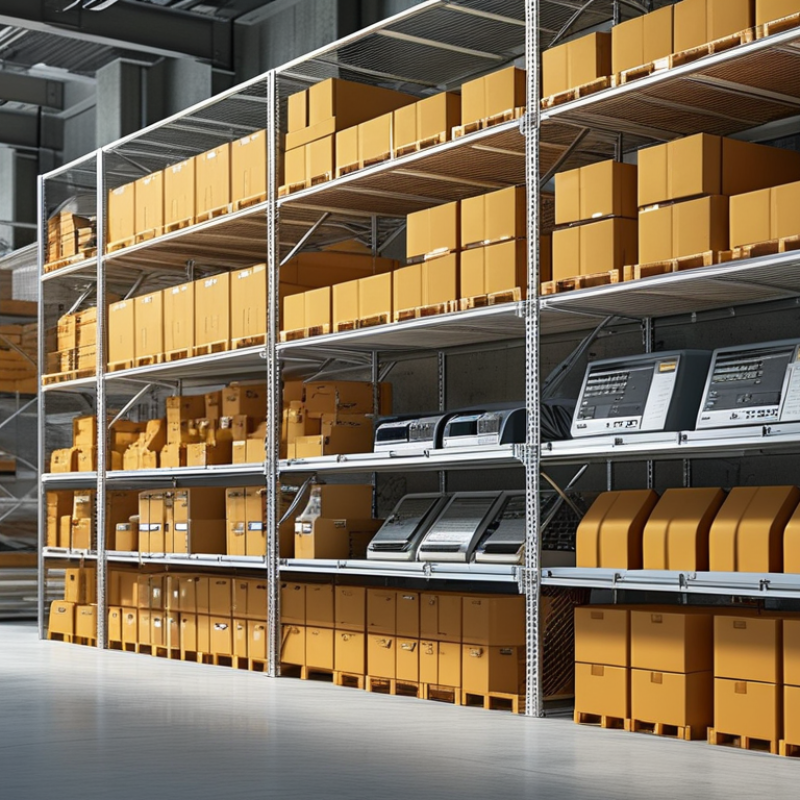
Metal shelving is a storage system built from steel or other durable metals. It uses uprights, horizontal beams, and shelf panels to create adjustable levels. Each joint transfers weight toward the floor, rather than letting one panel carry everything. In a warehouse, I have seen workers change shelf heights after product sizes shifted. That simple adjustment prevents wasted vertical space. Some systems use bolts, while others use clips or slots. The connection method affects installation speed and stability. Strong shelves still need level floors and proper load ratings. This is easy to overlook. A shelf can look solid while carrying an unsafe, uneven load.
Metal shelving works through balanced loading, rigid framing, and controlled access. Place heavier cartons on lower levels, then keep lighter items above them. This lowers the center of gravity and reduces tipping risk. Shelf panels spread pressure across the frame, but they are not magic. Concentrated loads can bend thin panels or loosen connections over time. Regular checks should include rust, cracked welds, bent uprights, and missing fasteners. In damp rooms, protective finishes may slow corrosion, although they cannot replace ventilation. I also recommend measuring the actual load, not guessing from appearance. My first layout was too optimistic about aisle clearance. Revising it made picking safer and less frustrating. The best system depends on the load, room, and working habits.
| Type of Metal Shelving | How It Works | Typical Load per Shelf or Level | Common Materials and Finish | Adjustability | Best Use | Main Advantages | Important Limitations |
|---|---|---|---|---|---|---|---|
| Boltless Rivet Shelving | Beams lock into upright posts with rivets or keyhole connections, usually without nuts and bolts. Decking rests on the horizontal beams. | Approximately 350–1,500 lb (159–680 kg), depending on span, beam size, decking, and configuration. | Cold-formed steel frames with particleboard, plywood, wire, or steel decking; commonly powder-coated. | High. Shelf levels can normally be repositioned in small vertical increments. | Garages, workshops, stockrooms, archives, and general storage. | Fast assembly, strong capacity, economical construction, and good flexibility. | Wide or heavily loaded units may require bracing or wall anchoring. Capacity must be verified for the exact design. |
| Clip-In Adjustable Shelving | Steel shelves attach to slotted upright posts with clips, brackets, or similar connectors. The shelves transfer weight to the uprights through the connectors. | Approximately 200–800 lb (91–363 kg) per shelf for common light- and medium-duty systems. | Painted or powder-coated steel; some systems use galvanized components for improved corrosion resistance. | Very high. Shelf height can usually be changed without drilling. | Offices, storerooms, retail back rooms, libraries, and light industrial areas. | Clean appearance, quick reconfiguration, and efficient use of vertical space. | Connector quality and shelf span strongly affect capacity. Overloading can cause shelf or clip deformation. |
| Wire Shelving | Open wire shelves sit on adjustable plastic or metal collars attached to grooved posts. The open grid allows air and light to pass through. | Approximately 350–1,000 lb (159–454 kg) per shelf when evenly distributed. | Chrome-plated, epoxy-coated, painted, or stainless steel wire and posts. | High. Shelves are commonly adjustable along the post height. | Kitchens, healthcare areas, clean storage, pantries, and humid environments with a suitable finish. | Good ventilation, visibility, drainage, easy cleaning, and relatively low weight. | Small items may need liners or bins. Point loads can bend wire decking if the system is not designed for them. |
| Mobile Shelving | Shelving units move on rails or lockable casters, allowing aisles to open only where needed and reducing unused aisle space. | Approximately 200–1,000 lb (91–454 kg) per shelf, subject to the frame, wheels, rails, and floor condition. | Steel frames and shelves with painted, powder-coated, or compact laminate components. | Moderate to high. Shelf levels may be adjustable, while the mobile layout is fixed to the track or floor plan. | Archives, records storage, libraries, tool rooms, and high-density inventory areas. | Can increase storage density by reducing the number of permanent aisles. | Higher purchase and installation cost; requires level flooring, safety controls, and adequate clearance. |
| Cantilever Shelving | Horizontal arms project from vertical columns, leaving the front open so long materials can be loaded from the side or front. | Approximately 500–2,000 lb (227–907 kg) per arm or level, depending on arm length and column design. | Structural steel columns and arms, usually painted or powder-coated. | High. Arm levels can generally be repositioned on the columns. | Lumber, pipe, tubing, carpet rolls, metal bars, and other long or irregular items. | Excellent access to long goods and no front posts obstructing the load. | Requires careful load distribution, stable flooring, and sufficient aisle space. Uprights normally need anchoring. |
| Pallet Rack | Heavy-duty upright frames and horizontal beams support pallets or industrial decking. Forklifts typically load and retrieve pallets from the aisles. | Approximately 2,000–6,000 lb (907–2,722 kg) per beam level in common industrial configurations. | Structural or roll-formed steel frames and beams; often powder-coated or painted. | Moderate. Beam levels are adjustable, but the system is planned around pallet dimensions and handling equipment. | Warehouses, distribution centers, manufacturing facilities, and bulk pallet storage. | Very high capacity, efficient vertical storage, and compatibility with forklift operations. | Requires professional layout, impact protection, anchoring, inspections, and compliance with applicable safety requirements. |
| Stainless Steel Shelving | Stainless shelves and legs form a rigid, corrosion-resistant storage unit; shelves may be solid, perforated, or wire-style. | Approximately 200–800 lb (91–363 kg) per shelf for common commercial units. | Typically stainless steel grades 304 or 430; grade 316 is used where greater chloride resistance is required. | Low to high, depending on whether the unit uses fixed, slotted, or adjustable shelves. | Food preparation, laboratories, healthcare, commercial kitchens, and wash-down areas. | Corrosion resistance, hygienic surfaces, durability, and easy cleaning. | Usually more expensive than painted steel. Stainless steel can still corrode under unsuitable chemical or salt exposure. |
How metal shelving works: Upright posts carry the vertical load, while beams, brackets, clips, or arms transfer the load from each shelf to the frame and then to the floor. Listed capacities are typical planning ranges for evenly distributed loads, not universal ratings. The exact safe capacity depends on shelf span, depth, steel thickness, connection type, decking, height-to-depth ratio, anchoring, and the manufacturer’s tested specifications.
Metal shelving comes in several practical forms, and the best choice depends on load, space, and working conditions. Boltless shelving uses interlocking beams, so it assembles quickly without specialized tools. It suits storerooms, workshops, and archive areas. Rivet shelving offers similar flexibility, with strong horizontal beams and adjustable levels.
For heavier loads, steel pallet racking provides deeper storage and supports forklifts or pallet-handling equipment. It needs careful planning and regular inspections. Wire shelving allows air circulation, making it useful for kitchens, clean storage rooms, and damp areas. Mobile shelving moves along floor tracks, creating more storage capacity, but it requires a stable floor and clear operating space. Cantilever shelving works well for long items, such as timber, pipes, or metal bars. I have found that adjustable shelves are valuable when inventory changes often. Fixed layouts can become frustrating.
Tips: Check the weight of each item before choosing a system. Measure ceiling height, aisle width, and door clearance. Use levelers on uneven floors. Add labels where workers can see them easily. Do not assume thicker steel always means better performance; beam design, connection quality, and installation matter too. Inspect bent posts, loose joints, and overloaded shelves regularly. A small mistake in planning can waste valuable space.
Choosing the best metal shelving starts with comparing materials and finishes, not appearance alone. Steel offers strong load capacity for warehouses, garages, and storage rooms. It is usually more affordable than stainless steel. However, untreated steel can rust in humid areas. Stainless steel resists moisture, stains, and frequent cleaning. It suits kitchens, laboratories, and damp utility spaces. Aluminum is lighter and naturally resistant to corrosion. Its lower strength may limit heavy-duty storage.
The finish changes how shelving performs over time. Powder coating creates a hard, even surface with many color options. It handles ordinary impacts well, although deep scratches can expose the metal below. Galvanized steel uses a zinc layer for better outdoor and humid-area protection. Chrome plating looks clean and bright, but it may show fingerprints and damage more visibly. In my experience, buyers often choose by color first. That is a mistake worth reconsidering. Check the environment, shelf load, cleaning chemicals, and expected service life.
Tips: Match the finish to the room. Use stainless steel near water and frequent washing. Choose powder-coated steel for dry indoor storage. Inspect corners, welds, and fasteners before installation. A smooth finish is easier to clean, but it does not replace safe load ratings. Leave clearance around shelves for airflow. Test a small section when uncertain about chemical exposure. Even reliable materials can fail when overloaded or poorly maintained.
The best metal shelving depends on the work, not appearance. In a warehouse, I first measure the heaviest load, shelf span, aisle width, and handling frequency. A shelf that holds 500 kilograms may still fail as a practical choice if workers cannot reach it safely. Adjustable levels suit changing inventory, while fixed layouts can provide better stability for uniform cartons.
MHI’s 2024 Annual Industry Report surveyed more than 1,300 supply-chain leaders. It found that 55% were increasing technology investment, reflecting a wider demand for flexible, measurable storage systems.
Material and environment matter too. Powder-coated steel suits dry indoor areas, but humid rooms may require galvanized or corrosion-resistant construction. Check the rated capacity per shelf, bay, and upright frame. Never compare only the advertised maximum.
OSHA warehouse guidance emphasizes clear aisles, stable stacking, and protection from struck-by hazards. The U.S. Bureau of Labor Statistics also recorded thousands of workplace injuries connected with falls, slips, and trips in recent reporting. Shelving height, floor anchoring, edge protection, and inspection routines therefore influence the best choice. I have seen teams overlook floor conditions. That mistake becomes expensive.
Tips:
The best metal shelving depends on the load, environment, and access frequency. Begin by weighing the heaviest item, not the average item. Add a safety margin for uneven loading and future changes. Adjustable steel shelving suits storerooms, workshops, and archives because shelf heights can change without replacing the frame. For bulky cartons, open shelving improves visibility and reduces handling time. Smooth surfaces are easier to clean in offices, clinics, and controlled work areas.
Moisture changes the decision. Powder-coated steel works well in dry indoor spaces, while galvanized or corrosion-resistant finishes suit damp rooms. Outdoor locations require careful protection from rain, standing water, and temperature changes. Check the frame’s load rating, shelf deflection, anchoring method, and floor capacity. A strong shelf can still become unsafe on an uneven floor. It happens more often than people expect.
For small parts, perforated panels and shallow shelves prevent hidden items from disappearing at the back. For heavy tools, choose deeper shelves with reinforced beams and stable bracing. Keep frequently used goods between waist and shoulder height. Store heavier items lower. In practice, selecting shelving is rarely perfect on the first attempt. Inventory changes, and early measurements may be incomplete. Review the layout after several weeks, then adjust shelf spacing, labels, and load distribution. Practical observation often reveals problems that a product chart misses.
Metal shelving is a storage system made from steel or other durable metals. It uses uprights, beams, and shelf panels. Levels can often be adjusted. The frame transfers weight toward the floor.
Balanced loading spreads pressure across the frame. Place heavier cartons on lower levels. Keep lighter items above them. This lowers the center of gravity. The panels still have limits.
Measure the heaviest load, shelf span, aisle width, and handling frequency. Check capacity per shelf, bay, and upright frame. Also inspect the floor condition. A strong shelf may be unsuitable in a cramped aisle.
Adjustable shelves suit changing inventory and different product sizes. Fixed layouts may offer greater stability for uniform cartons. The better option depends on your stock and work habits. Not always adjustable.
Store dense cartons on lower levels. Place lighter products higher up. Keep items stable and within easy reach. Avoid concentrated loads on thin panels. A neat appearance is not enough.
Dry indoor areas often suit coated steel shelving. Humid rooms may require corrosion-resistant construction. Ventilation helps slow rust. It cannot replace protective finishes or inspections. Watch for damp corners.
Check for rust, cracked welds, bent uprights, and missing fasteners. Look for loose connections and damaged beams. Inspect the system regularly, such as monthly. Remove unsafe sections from use until repaired. Do not rely on appearance.
Keep aisles wide enough for safe hand access and movement. Use floor anchoring and edge protection where needed. Display each shelf’s safe load clearly. Leave room for future stock changes. I once planned too little aisle space. That mistake slowed picking work.
Include installation, relocation, repairs, inspections, and eventual disposal. A cheaper system may cost more later. Consider changing inventory and workplace access. Measure, don’t guess.
Metal Shelving is a practical storage solution made from steel or other durable metals, designed to support organized storage in homes, offices, warehouses, workshops, and commercial spaces. Its open structure allows easy access and visibility, while adjustable levels, brackets, and support frames make it possible to customize the layout. Common types include boltless shelving, wire shelving, rivet shelving, mobile shelving, and heavy-duty industrial systems, each suited to different load capacities and space requirements.
Choosing the best metal shelving depends on the materials used, surface finish, weight capacity, installation method, available space, and expected environment. Powder-coated finishes can improve appearance and resistance to everyday wear, while galvanized or stainless-steel options may be more suitable for areas exposed to moisture or frequent cleaning. To select the right system, consider the size and weight of stored items, accessibility needs, flexibility, safety, maintenance, and budget. The ideal choice balances durability, convenience, and long-term performance for the intended application.

Hotter Commercial Equipment