In today’s competitive retail landscape, optimizing the Supermarket Shelf is vital for attracting global buyers. Dr. Emily Carter, a leading expert in retail strategy, once stated, "The way products are displayed can make or break a sale." This emphasizes the impact of strategic shelf placement on consumer behavior.
Effective shelf optimization requires understanding buyer preferences and cultural differences. For example, using eye-level displays can boost visibility. However, relying solely on height often overlooks the importance of product variety. A diverse selection appeals to various shoppers and increases the likelihood of a purchase.
Furthermore, technology can aid in this optimization process. Utilizing data analytics reveals shopping patterns. Yet, it’s crucial to continually reassess these strategies. What works today may not hold the same value tomorrow. Retailers must remain agile and responsive to changing market dynamics to maximize the Supermarket Shelf’s potential.
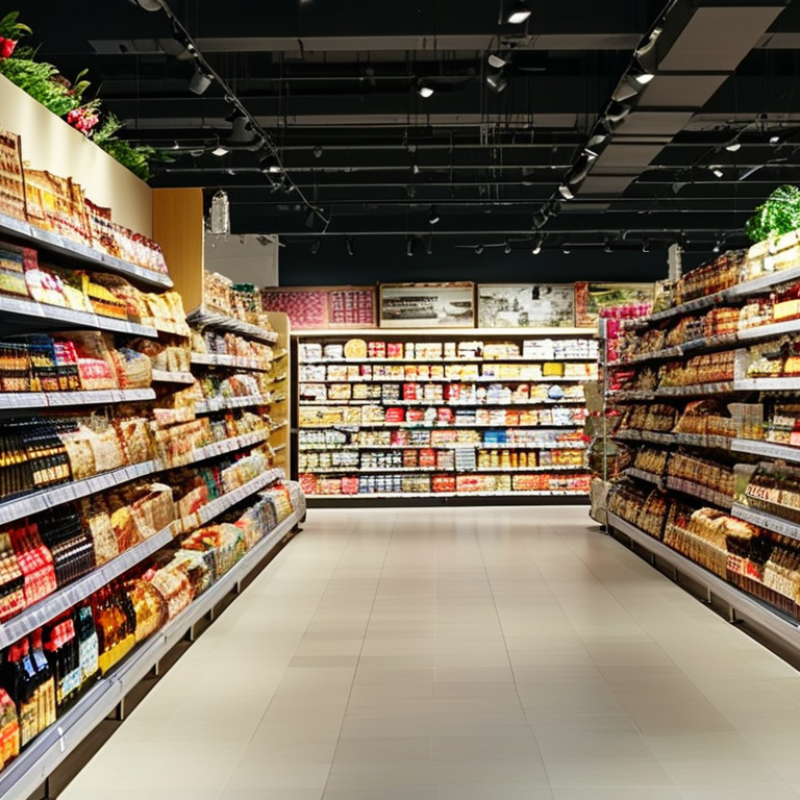
Shelf space is critical in the retail environment. It directly influences buyers' choices. Efficient use of this space can significantly boost sales. Supermarkets must carefully consider what products to display. Positioning is key—eye-level shelves tend to attract more attention. Fresh produce should be in prime spots, drawing customers in immediately.
Not all spaces work the same for every product. Some products may need more space to stand out. For instance, large packaging can dominate. The challenge lies in creating a balanced display. It’s essential to measure how well items perform in different placements. Analyzing shopper behavior provides valuable insights for optimization. Techniques like A/B testing can reveal what works best.
Mistakes are part of the process. Sometimes, a product’s performance may decline despite a prime spot. Feedback loops are necessary for continuous improvement. Retailers should be open to adjusting their strategies. Understanding new trends can also aid in better decision-making. Experimentation allows supermarkets to adapt, ensuring they meet global buyers' evolving preferences.
| Product Category | Shelf Space Allocation (%) | Sales per Square Foot ($) | Customer Turnover Rate | Stocking Frequency (Days) |
|---|---|---|---|---|
| Dairy | 15% | 20 | High | 2 |
| Beverages | 20% | 25 | Medium | 3 |
| Snacks | 10% | 15 | Medium | 5 |
| Fresh Produce | 25% | 30 | High | 2 |
| Packaged Goods | 30% | 18 | Low | 7 |
In supermarkets, understanding consumer behavior is vital for optimizing shelf space. Shoppers often make quick decisions based on product placement. Strategic positioning can capture attention and drive sales. For instance, placing high-margin items at eye level can increase their visibility. This tactic taps into the instinct to grab what is most noticeable.
Shopping patterns reveal specific preferences. Many consumers tend to gravitate toward familiar brands. Others enjoy exploring new products. A study showed that customers often stick to their lists but make impulse purchases. Therefore, employing a mix of traditional and new products on shelves can engage different types of buyers.
Reflecting on this, there is always room for improvement. Understanding seasonal trends is key. This involves tracking data and adapting displays accordingly. However, store layout changes can confuse regular shoppers. It’s essential to balance innovation with customer familiarity. Ultimately, understanding these behaviors can lead to better design strategies.
Effective shelf layout and product placement are crucial for optimizing supermarket space. Research by Nielsen reveals that 64% of consumers' purchasing decisions are made in-store. This highlights the importance of strategic positioning. Certain areas, like eye-level shelves, tend to attract more attention and sales. According to a study by the Journal of Marketing, products placed at eye level can increase sales by up to 30%.
Using color and signage can also influence shopper behavior. Brightly colored items or clear signs draw customers in and encourage impulse buys. A report from the Shelf-Edge Analytics shows that proper signage can improve sales by 20% in high-traffic aisles. Unfortunately, many stores still underestimate the power of signage or do not optimize their layouts accordingly.
Planograms can be a useful tool for managing shelf space. They offer a visual plan for product placement, aiding in effective inventory management. However, relying solely on planograms can lead to overlooking customer behavior changes. Regular analysis and real-time adjustments are necessary to stay responsive to shopper trends. Observing foot traffic can reveal which layouts work best. Ensure to include customer feedback in evaluations for continuous improvement.
In the competitive landscape of modern retail, data analytics emerges as a crucial tool for optimizing supermarket shelf space. With an increasing number of global buyers, understanding their preferences is essential. Analyzing customer purchase patterns reveals insights into which products attract attention and boost sales. By examining data from various demographics, supermarkets can allocate shelf space more strategically.
Effective use of data means selecting products based on consumer behavior. However, relying entirely on analytics can be problematic. Trends can shift suddenly. What sells today may not sell tomorrow. It's vital to remain agile and responsive to market changes. This requires continuous monitoring and adjustment based on real-time sales data.
Some supermarkets employ advanced algorithms to optimize placements. Yet, human judgment plays an essential role. Retailers must reflect on whether their approach truly reflects shopper behavior. Sometimes the data may suggest one course of action, while customer experience suggests another. A holistic approach that combines analytics with frontline insights leads to a more effective shelf space strategy. Balancing these aspects ensures that the shelves are not only data-driven but also resonate with shoppers' needs.
Creating an inviting display for supermarket shelves requires thoughtful strategies. Innovative techniques that engage global buyers can significantly impact sales. A recent report by the Global Retail Insights Network indicates that visually appealing displays can increase product purchase likelihood by 30%. Success hinges on using colors, lighting, and layout strategically.
For instance, incorporating local cultural elements into display designs can resonate well with diverse shoppers. Eye-catching signage and vibrant colors capture attention quickly. Using endcaps for seasonal promotions also draws interest. However, not every approach works seamlessly across markets. Testing localized displays can yield insights into buyer preferences.
Additionally, digital displays are on the rise. Data from the International Supermarket Association shows that 50% of global consumers respond positively to dynamic digital content. Yet, relying solely on technology can overlook traditional shoppers. Understanding the demographics of your audience remains crucial. Therefore, flexibility and adaptation to customer feedback are key components in optimizing shelf space.
: It helps optimize shelf space and increases product visibility.
They often make quick choices based on product placement.
Placing high-margin items at eye level can enhance visibility.
Many prefer familiar brands, while others like exploring new options.
Shoppers mostly stick to their lists but also make impulse purchases.
Understanding seasonal trends and adapting displays is essential.
Using colors, lighting, and local cultural elements can attract buyers.
Around 50% respond positively, but traditional shoppers may be overlooked.
Adapting to customer feedback can lead to better sales outcomes.
Balancing innovation with customer familiarity is crucial for retention.
Optimizing supermarket shelf space is crucial for attracting global buyers and enhancing the retail experience. Understanding the importance of shelf space involves analyzing consumer behavior and shopping patterns, as shoppers often make decisions based on product visibility and placement. Effective shelf layout strategies can significantly influence purchasing choices, which necessitates a keen insight into where products are placed and how they are displayed.
Utilizing data analytics empowers retailers to make informed decisions on shelf space allocation, maximizing product exposure based on consumer preferences and trends. Additionally, innovative display techniques can captivate the attention of global buyers, making the shopping experience more engaging. By focusing on these strategies, supermarkets can create an attractive and efficient environment that meets the diverse needs of their clientele while optimizing the utilization of their supermarket shelf space.

Hotter Commercial Equipment