Choosing a Rolling Cart for international operations involves more than comparing prices and photographs. A cart that performs well in a quiet showroom may fail on uneven warehouse floors, narrow aisles, or long export routes. Global buyers must examine load capacity, platform size, caster quality, handle height, brake design, and surface protection. Small details matter. A loose wheel can delay a shipment. Poor packaging can create damage before arrival.
Ergonomics should remain central. Material-handling expert Dr. Alan Hedge offered a useful principle: “Design the task around the worker, not the worker around the task.” This idea applies directly to every Rolling Cart purchase. Test the handle position with gloves. Check whether the cart turns smoothly under realistic weight. Review noise levels in hospitals, hotels, stores, and factories. The best choice is not always the heaviest model. It should match the work.
This guide explains ten practical buying tips for global buyers. It covers supplier evaluation, material selection, caster performance, customization, packaging, documentation, and total landed cost. A lower quotation may hide expensive replacement wheels, difficult assembly, or weak after-sales support. No checklist is perfect. Even experienced buyers can overlook local floor conditions or seasonal humidity. Request a sample when possible. Ask for clear specifications and inspection records. Then compare performance, not promises. Reliable sourcing begins with useful questions, careful testing, and the willingness to reconsider an attractive offer.
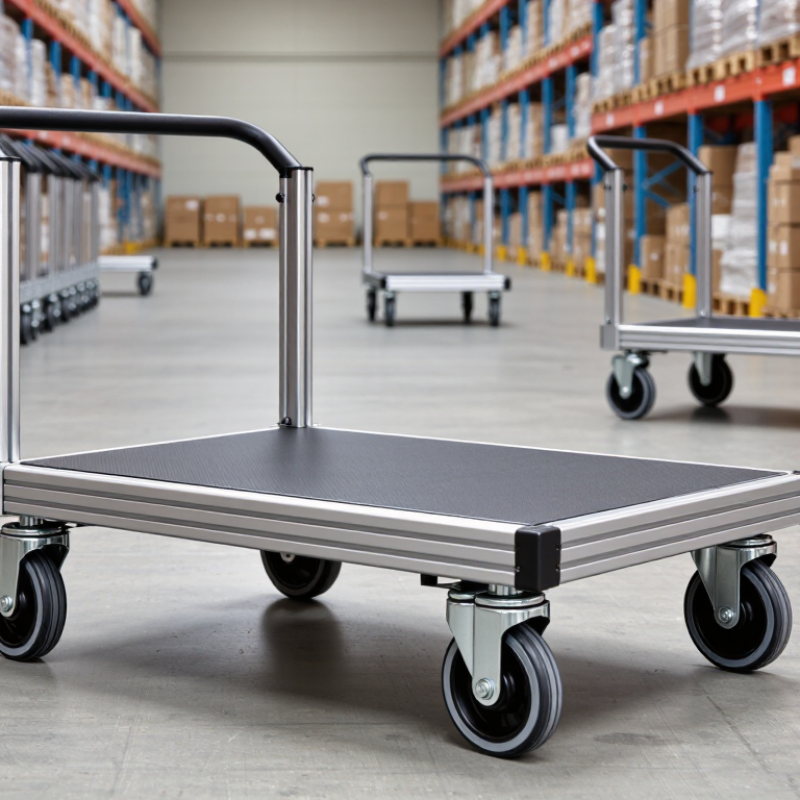
A rolling cart should match its daily job, not just its advertised capacity. Define the purpose before comparing materials, wheel sizes, or accessories. A cart moving medical supplies needs quiet movement and easy cleaning. A warehouse cart may need stronger frames and larger wheels. Service carts often require organized shelves and secure handles. The task shapes the design.
Measure the real load, including containers, tools, and occasional extra items. Do not size the cart for the average load alone. A 100-kilogram rating may not suit a top-heavy load. Weight distribution matters. Place heavier items on lower shelves to reduce tipping risk. I have seen overloaded upper shelves make a cart difficult to control, even when the total weight seemed acceptable. That mistake deserves attention.
Study the operating environment carefully. Smooth indoor floors allow smaller casters, while thresholds and rough surfaces need larger wheels. Narrow aisles demand a tighter turning radius. Wet areas call for corrosion-resistant construction and dependable braking. Check temperature, humidity, dust, and cleaning routines before selecting finishes. Handle height also matters during long shifts. Test a loaded sample if possible. Empty carts can feel misleading. Ask users to push, stop, turn, and park it on the actual floor. Record their feedback, including complaints that seem minor. Small vibrations or awkward grips can become daily problems. Specification sheets help, but hands-on testing reveals what they often miss.
Global buyers should compare rolling carts by material, frame strength, capacity, and storage features. Steel frames usually handle heavier loads, while aluminum reduces carrying weight. Plastic platforms resist moisture but may flex under uneven pressure. Check welds, joints, wheel mounts, and surface coatings carefully. A cart that looks strong may still wobble when fully loaded.
Tips: Ask for load-test records, dimensional drawings, and material specifications. Do not rely only on advertised capacity. Place the heaviest item near the base, then roll the cart across a rough floor. Measure handle height, wheel diameter, and turning space before ordering. Larger wheels often move better over thresholds, but they also require more storage room. Foldable frames save warehouse space, although hinges can become weak if poorly designed.
I once preferred a compact cart because it fit neatly beside a workbench. In daily use, the narrow wheels caught on floor gaps. That choice was not fully practical. Buyers should examine real working conditions, including ramps, elevators, wet areas, and temperature changes. Confirm whether shelves are removable and whether replacement wheels are available. For international purchasing, request inspection photos and packaging details before shipment. Compare net weight, carton size, and assembly steps. Clear documentation supports more reliable decisions, even when product samples are limited.
| No. | Buying Tip | Recommended Cart Type | Main Material | Frame Strength | Typical Load Capacity | Storage Configuration | Wheel Specification | Foldable or Nestable | Best Application |
|---|---|---|---|---|---|---|---|---|---|
| 1 | Match the material to the environment. Choose corrosion-resistant materials for humid, coastal, or wash-down areas. | Industrial utility cart | Powder-coated carbon steel; stainless steel is preferable for wet or hygienic areas. | Steel tubing typically 0.8–1.5 mm thick; welded joints provide higher rigidity. | 100–200 kg total evenly distributed load | Two or three flat shelves, commonly with raised edges. | 100–125 mm rubber or polyurethane casters | Usually fixed; nesting depends on the design. | Warehouses, workshops, maintenance, and production areas |
| 2 | Check frame strength, not only shelf capacity. A reinforced frame helps reduce flexing during movement. | Heavy-duty platform cart | Steel frame with a steel, plastic, or laminated platform. | Reinforced uprights and cross-braces; suitable for frequent heavy loads. | 150–300 kg, depending on wheel and platform design | One large platform, sometimes with a lower shelf or handle basket. | 125–200 mm wheels; two fixed and two swivel casters are common. | Generally not foldable; some handles fold down. | Bulk boxes, equipment, tools, and material handling |
| 3 | Verify the working load and safety margin. Use the rated load for evenly distributed weight and allow extra capacity for movement. | Three-tier service cart | Powder-coated steel or impact-resistant polypropylene shelves. | Steel tubular frame with mechanical fasteners or welded supports. | 60–150 kg total; commonly 20–50 kg per shelf | Three shelves with 250–350 mm vertical spacing. | 75–100 mm swivel casters, often with two brakes. | Usually fixed; compact versions may partially fold. | Hotels, offices, retail back rooms, and light assembly |
| 4 | Select wheels for the floor surface. Larger wheels roll more easily over thresholds and uneven floors, while soft treads reduce noise. | Mobile storage cart | Steel or aluminum frame with plastic, wire, or laminate shelves. | Medium-duty frame with bolted shelf supports. | 50–120 kg total | Two to four shelves; optional side rails or bins. | 100–125 mm polyurethane wheels for quiet indoor movement. | Some models fold; many are nestable. | Retail replenishment, libraries, offices, and stockrooms |
| 5 | Compare shelf depth and usable clearance. Measure the largest items and include handle, door, and aisle clearance. | Long-platform warehouse cart | Powder-coated steel or aluminum with a non-slip platform surface. | Longitudinal frame rails and a reinforced handle reduce platform deflection. | 150–250 kg total | One long platform, typically 900–1,500 mm long, with optional lower deck. | 125–200 mm rubber or polyurethane wheels. | Some handles fold for storage; platform usually remains rigid. | Long cartons, pipes, panels, and maintenance supplies |
| 6 | Choose hygienic surfaces where cleaning is frequent. Smooth, non-porous shelves are easier to sanitize than textured or unfinished surfaces. | Stainless utility cart | 304 stainless steel is commonly used; 316 stainless steel offers better resistance to chlorides. | Welded stainless frame with rounded corners and reinforced shelf brackets. | 80–150 kg total; often 30–50 kg per shelf | Two or three smooth shelves with raised spill-control edges. | 100–125 mm non-marking polyurethane casters. | Usually not foldable; some compact versions are nestable. | Food service, laboratories, healthcare, and clean areas |
| 7 | Assess mobility and braking. At least two locking casters improve stability during loading and unloading. | Lockable utility cart | Steel or polypropylene body with a steel support frame. | Four-leg frame with reinforced caster plates; suitable for regular indoor use. | 60–120 kg total | Two or three shelves, with optional drawer or cabinet section. | 75–125 mm swivel casters; two total-lock or wheel-lock brakes. | Commonly fixed; some handles can be removed. | Workstations, clinics, classrooms, and service operations |
| 8 | Prioritize foldability when storage space is limited. Check the folded thickness, locking mechanism, and setup time. | Folding platform cart | Aluminum or powder-coated steel frame with a plastic or composite platform. | Folding joints should include a positive locking mechanism and reinforced hinge points. | 60–150 kg, depending on platform and wheel design | Single platform; some versions include a folding extension or removable basket. | 100–150 mm rubber or polyurethane wheels. | Yes; folded thickness is commonly about 100–250 mm. | Delivery vehicles, event setup, offices, and occasional transport |
| 9 | Review access control and enclosed storage. Drawers, doors, and bins help protect small items from loss or contamination. | Security or tool cart | Powder-coated steel cabinet with a steel tubular base. | Fully enclosed cabinet structure with reinforced door and drawer slides. | 80–180 kg total; drawer ratings vary by construction. | Lockable drawers, cabinet compartment, pegboard, or removable bins. | 100–125 mm casters; two or four locking casters. | Not usually foldable or nestable. | Tools, maintenance parts, electronics, and controlled supplies |
| 10 | Confirm dimensions, assembly, and replacement parts. Before ordering globally, verify carton size, spare wheels, fasteners, and local safety requirements. | General-purpose rolling cart | Steel, aluminum, polypropylene, or a combination selected for the intended duty. | Choose a frame rated above the expected load, with stable caster mounting and no excessive joint play. | 50–200 kg, based on the selected configuration | Two to four shelves, baskets, drawers, hooks, or removable trays. | 75–150 mm wheels; wheel material should match the floor and noise requirement. | May be fixed, foldable, or nestable; confirm before purchase. | Multi-purpose use across offices, stores, workshops, and facilities |
A rolling cart succeeds when its wheels, handle, and frame work together. The EU-OSHA OSH Pulse 2022 survey found that three in five European workers reported musculoskeletal complaints. Cart design cannot remove every risk, but it can reduce awkward force and repeated strain. Test the loaded cart, not only the empty sample. A cart that feels light in a showroom may become unstable on a ramp.
The UK Health and Safety Executive’s RAPP assessment method emphasizes force, posture, distance, and floor conditions during pushing and pulling. These details deserve supplier evidence. Ask for rolling-resistance tests, brake testing, and load-stability results. Also verify replacement-wheel availability in the destination market. A small spare-parts delay can stop daily operations. Handles may be too high for shorter users, while oversized wheels can increase cost and turning effort. That compromise is easy to miss. Pilot the cart with different users, including a fully loaded route, before placing a global order.
Global buyers should verify standards before comparing rolling cart prices. Ask for test reports, material grades, wheel specifications, and load-capacity evidence. Applicable ISO, EN, or ASTM requirements may differ by destination and workplace. ISO’s Survey 2022 recorded 1,265,216 ISO 9001 certificates across 189 countries and economies. That scale shows quality systems matter, but certification alone does not prove one cart is durable.
Inspect the details you can touch. Check weld consistency, corner protection, brake engagement, and wheel movement on uneven floors. A polished frame can still hide weak joints. I have learned to request sample units and photos from production, not only catalog images. Customization should cover shelf spacing, handle height, coating, labels, and replacement parts. However, every change needs a revised drawing and a new load test. Small modifications can reduce stability. That risk is easy to underestimate.
Warranty terms should state coverage length, excluded damage, response time, and spare-part availability. They should also explain whether labor and shipping are included. The 2023 NRF and Appriss report estimated retail returns at 14.5% of annual sales, showing how costly unclear product expectations can become. The World Bank’s 2023 Logistics Performance Index also evaluates shipment quality and timeliness, both relevant to international claims. Request packaging standards, inspection records, and a written remedy process. A long warranty sounds reassuring. It may still be vague.
Assess Supplier Reliability, Total Cost, Shipping, and After-Sales Support
Supplier reliability should be tested before price becomes the deciding factor. Request a factory profile, production photos, inspection records, and recent customer references. Ask whether the same wheels, frames, and fasteners will appear in mass production. An approved sample helps, but it cannot prove consistent output.
Use a written specification. Include load capacity, wheel diameter, handle height, surface finish, carton strength, and acceptable tolerances. Do not rely on attractive photographs.
A low quote can still become expensive. Calculate the full landed cost, including tooling, packaging, inland transport, freight, insurance, duties, and warehouse handling. Confirm whether the quotation uses one currency and clearly states payment conditions.
Shipping details need careful checking. Compare carton dimensions, pallet quantity, container loading plans, and estimated transit time. A small change in carton size may affect freight costs significantly. I have seen buyers overlook this detail.
After-sales support deserves measurable terms. Ask how quickly the supplier handles damaged wheels, missing parts, and quality complaints. Require replacement policies, spare-part availability, and a named service contact.
Agree on evidence requirements, such as photos, batch numbers, or inspection reports. Keep communication records in writing. A promise made during a call may be forgotten.
My own sourcing assumptions have not always been correct, especially around delivery timing. Build reasonable buffer stock and allow time for corrective production.
Steel frames usually support heavier loads. Aluminum reduces carrying weight. Plastic platforms resist moisture but may flex unevenly. Check welds and joints. Looks can mislead.
Request load-test records, material specifications, and dimensional drawings. Confirm whether capacity includes the cart’s own weight. Test a loaded cart on rough flooring.
Choose wheel sizes that cross floor joints and door thresholds. Swivel wheels suit tight aisles. Fixed wheels improve straight tracking. Larger wheels roll better but need more storage space.
Measure handle height for the main users. Rounded, non-slip grips can reduce awkward force. Test several users. A handle may fit one person poorly.
Brakes help on slopes, ramps, and crowded surfaces. Check guards around fingers and feet. Test brake engagement while the cart carries its intended load. Empty-cart testing is insufficient.
Foldable frames can save warehouse space. Hinges may weaken when poorly designed. Confirm removable shelves, folded dimensions, carton size, and assembly steps. Compact is not always practical.
Ask for inspection photos, production images, test reports, and revised drawings. Verify material grades, wheel details, coating, and load stability. Certification supports confidence but cannot prove durability alone.
Customization may cover shelf spacing, handle height, coating, labels, and spare parts. Require a new drawing and load test after changes. Warranty terms should state coverage, exclusions, response time, labor, shipping, and replacement parts. Long coverage can still be vague.
Choosing the right Rolling Cart starts with understanding its intended purpose, expected load, and working environment. Global buyers should compare frame materials, structural strength, weight capacity, storage options, wheel quality, handle design, and maneuverability. A suitable cart should move smoothly across the surfaces where it will be used, remain stable under load, and provide comfortable, safe operation for different users. Features such as locking wheels, rounded edges, adjustable handles, and compact storage can also improve daily efficiency.
Before purchasing, buyers should verify applicable international standards, product consistency, customization options, and warranty coverage. It is equally important to assess the supplier’s production experience, communication, quality-control process, and ability to provide reliable documentation. The total cost should include the product price, packaging, shipping, duties, maintenance, and possible replacement parts. Clear delivery terms and responsive after-sales support can reduce purchasing risks and help ensure that the Rolling Cart performs reliably throughout its service life.

Hotter Commercial Equipment