Top 10 Checkout Counter Solutions for Global Buyers?

Time:2026-07-21 Author:Sienna
0%

In today’s dynamic retail landscape, the Checkout Counter is more than just a transactional point. It serves as a crucial interface between consumers and businesses. With technology evolving rapidly, checkout systems are now multifunctional. They offer speed, efficiency, and enhanced customer experiences.

Global buyers demand reliable solutions that cater to diverse needs. A modern Checkout Counter must integrate payment processing, inventory management, and customer relationship tools. This integration is essential for seamless operations. However, not all solutions deliver the same level of performance. Some may lead to frustration or delays.

Choosing the right Checkout Counter involves careful consideration of various factors. Factors such as integration capabilities, user interface design, and customer support are critical. The best solutions minimize errors and enhance customer satisfaction, but identifying this can be challenging. It raises questions about the effectiveness of popular systems. As businesses strive for efficiency, understanding these solutions is vital for success.
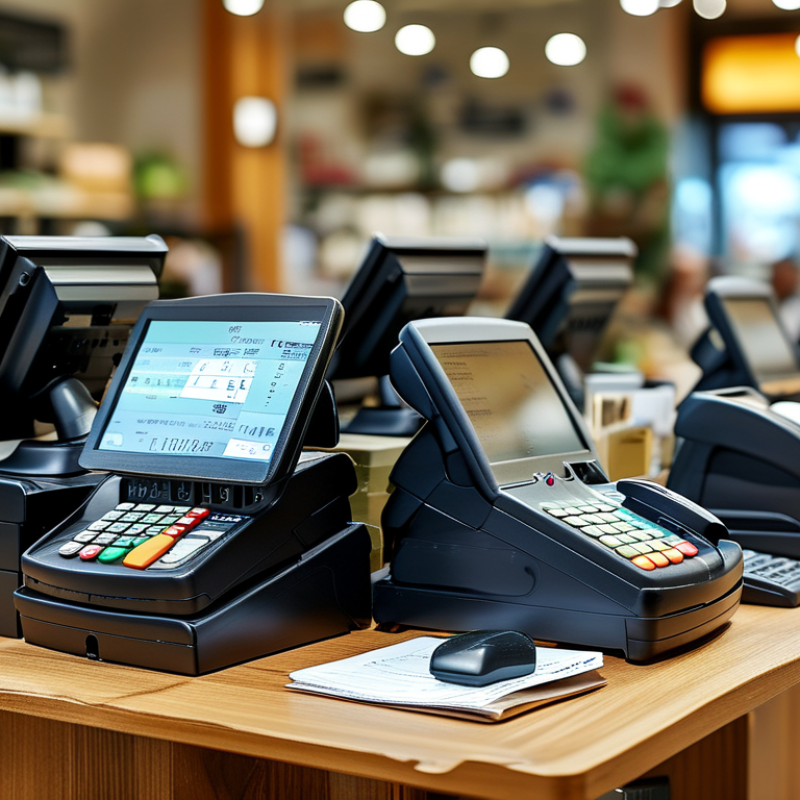
Top 10 Checkout Counter Solutions for Global Buyers?

Key Features to Look for in Checkout Counter Solutions

When selecting checkout counter solutions, consider the essential functionalities that cater to diverse buyer needs. A robust system should support various payment methods, including credit cards, digital wallets, and contactless payments. This flexibility enhances customer satisfaction and promotes smoother transactions. Look for real-time inventory management. Accurate stock levels prevent overselling and help in quick restocking.

Integration capabilities are crucial as well. A checkout system needs to connect seamlessly with existing software like POS and e-commerce platforms. This coherence creates a streamlined operational flow and minimizes errors. User experience is paramount, too. A clear interface and easy navigation can significantly influence customer retention.

However, not all systems deliver the same level of reliability. Sometimes, complex setups lead to confusion. It is vital to evaluate systems for usability and support options. Regular software updates ensure security features stay current against emerging threats. Remember, an imperfect system can serve as a learning opportunity. Regular feedback from users can guide improvements, making the checkout process more efficient and customer-friendly.

Top Global Brands Providing Checkout Counter Solutions

When it comes to checkout counter solutions, global brands are revolutionizing how businesses operate. Many companies are focusing on integrating technology to enhance customer experience. Speed and efficiency are crucial at checkout. Innovative solutions like mobile payment systems and self-service kiosks simplify transactions. Shoppers appreciate quick service, which builds brand loyalty.

Tips: Consider the layout of your checkout area. A well-organized space can speed up lines and reduce customer frustration. Analyze your customer flow to optimize traffic patterns.

Another trend is personalized customer service. Employees equipped with mobile devices can assist shoppers anywhere in the store. This flexibility enhances customer interaction and satisfaction. However, training staff effectively to handle technology and customer queries is essential. Inconsistent service may lead to dissatisfaction.

Tips: Regular training sessions can improve employee confidence. A knowledgeable staff creates a welcoming atmosphere. Gather feedback from customers to continuously refine your checkout process.

Top 10 Checkout Counter Solutions for Global Buyers

Solution Type Main Features Supported Payment Methods Integration Options Customer Support
Mobile POS Portability, Touchscreen Interface Credit/Debit Cards, Mobile Wallets API, Plugins 24/7 Support, Knowledge Base
Traditional POS Inventory Management, Customer Database Cash, Checks, Cards Hardware Integration, Software Sync Email, Phone, Live Chat
E-commerce Platform User Accounts, Order History Credit/Debit Cards, PayPal, Cryptocurrency Web APIs, SDKs Online Chat, FAQs
Self-Checkout Kiosks User-Friendly UI, Scanning Capability Credit/Debit Cards, Gift Cards Network Connection, Reporting Tools In-store Support, User Guides
Cloud-Based Solutions Real-time Data Access, Scalability Cards, ACH Transfers Remote Access, Multi-device Support Live Support, Online Community
Omni-channel Solutions Integration Across Channels, Consistency All Major Payment Types Cross-platform Sync, API Dedicated Support, Training
Contactless Payment Solutions Quick Transactions, NFC Technology Mobile Wallets, Tap-and-Go Cards API Integration, Compatibility Checks Technical Support, Updates
Retail Management Systems Sales Tracking, Employee Management All Payment Methods POS Hardware, External Software Phone Support, FAQ
Digital Wallet Solutions Secure Transactions, Easy User Interface Credit/Debit Cards, Direct Bank Transfers Plug-ins, Mobile SDKs Email Support, Help Center
Loyalty Program Integration Customer Incentives, Reward Tracking Membership Cards, Digital Coupons API Access, SDKs Live Chat, Email Updates

Comparative Analysis of Checkout Counter Solutions

The checkout process is critical for retailers worldwide. A comparative analysis reveals various counter solutions and their effectiveness. According to research by the National Retail Federation, around 70% of customers abandon their carts due to poor checkout experiences. This highlights the importance of efficient systems.

Some solutions focus on speed. These counters reduce transaction time by integrating digital payment methods. In fact, mobile wallets are projected to account for over 25% of global e-commerce transactions by 2025. Yet, many retailers still struggle to adapt to this shift.

Another key aspect is security. A 2022 report from Statista shows that 43% of small businesses experience cyberattacks. This raises questions about the security features of different counter solutions. Many systems offer advanced encryption, but not all implement it properly. Retailers must weigh the pros and cons of each solution to ensure customer trust.

Cost Considerations for Implementing Checkout Counter Solutions

Implementing checkout counter solutions involves various cost considerations that can significantly impact your budget. Initial setup expenses often include hardware, software, and installation services. Depending on the chosen technology, these costs can vary widely.

Operating costs, such as maintenance and regular updates, are also crucial. You may need personnel for training. Staff costs can add to ongoing expenses, particularly if new systems demand specific skills. Hidden costs often arise, such as those related to troubleshooting and support.

Tips for managing costs include evaluating your business needs thoroughly. Don’t rush into decisions. Seek vendor quotes to compare pricing and services effectively. Consider the long-term benefits of investing in reliable technology.

To ensure financial efficiency, monitor ongoing expenses closely. Regularly review contracts and service agreements. Understanding your usage trends can lead to cost-saving insights. Revisiting your setup periodically can reveal outmoded practices that inflate costs. Make adjustments as needed to keep expenses in check. Keeping these strategies in mind can enhance the effectiveness of your checkout solutions.

Future Trends in Checkout Counter Technology

As e-commerce continues to grow, the checkout counter technology is evolving rapidly. Recent data from industry reports indicate that 75% of consumers expect a seamless checkout process. This trend is pushing retailers to invest in advanced solutions like self-service kiosks and mobile payments. The integration of AI and machine learning is enhancing personalization, making the shopping experience smoother and more enjoyable.

However, there are challenges in implementing these technologies. Not all customers are comfortable with digital systems. Reports show that 30% of shoppers prefer traditional checkout methods. Retailers must balance innovation with a sense of familiarity for their customers. It’s crucial to offer options that cater to different preferences.

Tip: Invest in staff training. Properly trained associates can assist customers hesitant to use new technology. Understanding consumer behavior is key to successful integration.

Data collected from various sources forecast that by 2025, 50% of retailers will have adopted cashier-less systems. Implementing these changes requires continuous feedback from shoppers. Adapting to these evolving expectations is vital for maintaining customer loyalty. The checkout process must remain efficient, even as technology advances.

Tip: Gather customer feedback routinely. This will help identify pain points and areas for improvement. Remaining fluid in your approach will keep you aligned with consumer needs.

FAQS

: What are key features to look for in checkout counter solutions?

: Essential features include various payment methods, real-time inventory management, and integration capabilities with existing systems.

Why is user experience important in checkout solutions?

A clear interface and easy navigation can greatly influence customer retention and satisfaction during checkout.

How can regular software updates improve checkout systems?

Regular updates ensure security features remain current against threats, enhancing overall system reliability.

What role does staff training play in checkout service?

Effective training boosts employee confidence, leading to better customer interactions and a more welcoming atmosphere.

How does checkout counter layout affect customer experience?

A well-organized checkout area can speed up service and reduce frustration, contributing to customer satisfaction.

What common issue do retailers face during the checkout process?

Many customers abandon their carts due to poor checkout experiences, highlighting the need for efficient systems.

How significant are digital payment methods in current retail?

Digital payments are projected to represent over 25% of global e-commerce transactions by 2025, yet many struggle with adaptation.

What security concerns exist for checkout counter solutions?

Retailers must consider that many businesses experience cyberattacks, and the security features of checkout systems vary in effectiveness.

Why might some checkout systems lead to customer confusion?

Complex setups can overwhelm users, impacting usability and overall transaction efficiency.

What can feedback from customers provide for checkout processes?

Customer feedback is invaluable for guiding improvements and making the checkout experience more efficient and user-friendly.

Conclusion

The article explores the top ten checkout counter solutions tailored for global buyers, emphasizing essential features that enhance customer experience and efficiency. Key considerations include user-friendly interfaces, integration capabilities with existing systems, and robust security measures to protect customer data.

A comparative analysis of various checkout counter solutions provides insights into their performance, helping businesses identify the most suitable options for their needs. Additionally, the article addresses cost implications related to implementation, ensuring that businesses can make informed financial decisions. Finally, it examines future trends in checkout counter technology, highlighting innovations that promise to further streamline transactions and elevate the shopping experience in an increasingly digital marketplace.

Sienna

Sienna

Sienna is a skilled marketing professional with a deep expertise in our company’s core products and services. With a passion for innovation and detail, she plays a pivotal role in crafting insightful blog posts that not only highlight the unique features of our offerings but also provide valuable......