2026 Top Commercial Shelving Suppliers for Global Buyers

Time:2026-11-03 Author:Liam
0%

Commercial Shelving affects more than the appearance of a store or stockroom. It shapes replenishment speed, aisle access, product visibility, and how safely teams handle daily workloads. A shelf may look sturdy in a catalogue. Its real test comes when cartons arrive, labels shift, and staff need to restock quickly.

Industrial designer Dieter Rams offered a useful design principle: “Good design is as little design as possible.” For Commercial Shelving, that means choosing systems that solve practical problems without adding needless complexity. Buyers should compare load ratings, dimensions, finishes, adjustability, lead times, installation support, and replacement-part availability. Ask suppliers how their specifications were tested, and request clear documentation for the exact product being quoted. Details matter.

This guide reviews leading suppliers for global buyers in 2026, with attention to product range, customization, service, and procurement considerations. A supplier with an impressive catalogue may still be the wrong fit for a humid warehouse or a narrow retail aisle. Regional availability and delivery terms can change the equation, too. No ranking can replace a site assessment. That is an imperfect part of any shortlist, but worth admitting. Use the comparisons to identify candidates, then verify technical details against your layout, inventory, and operating conditions before requesting a final proposal.
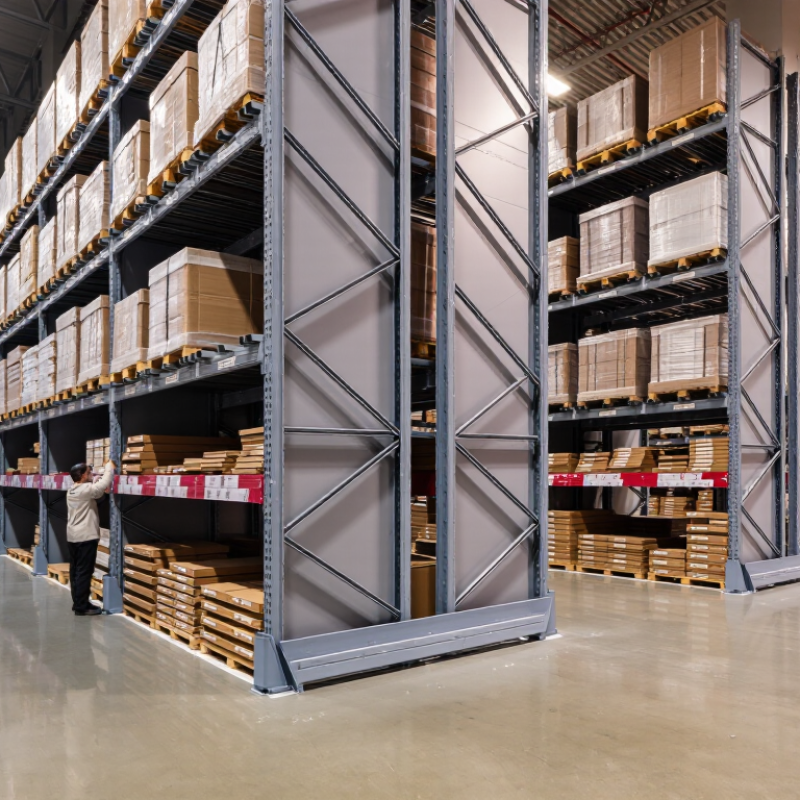
2026 Top Commercial Shelving Suppliers for Global Buyers

Commercial Shelving Types, Applications, and Key Specifications

Commercial shelving serves different jobs, so buyers should match the structure to the goods and the way staff handle them. Gondola shelving suits retail aisles with frequent product changes. Boltless and longspan systems work well for cartons, spare parts, and hand-loaded stock. Wire shelves allow airflow and visibility, while mobile shelving can increase storage density where floor space is tight. Details matter.

Specify shelf width, depth, bay height, and usable clearances before comparing quotations. Ask for load ratings per shelf and per bay, and confirm whether they assume evenly distributed weight. A carton stack concentrated in the center can behave differently from evenly spread stock. Check steel thickness, beam connections, bracing, and whether the installation requires floor anchoring. These details are easy to overlook when a price looks attractive.

The operating environment matters too. Powder-coated finishes are common in dry indoor areas, while damp or frequently cleaned spaces may need more corrosion-resistant materials. Confirm that the proposed finish and hardware suit the actual cleaning routine. Request drawings, installation guidance, and written load information for the exact configuration—not a similar model. No specification sheet can predict every site condition; aisle width, floor level, and future stock changes still deserve a careful on-site review.

Criteria for Evaluating Commercial Shelving Suppliers in 2026

Choosing a commercial shelving supplier in 2026 means checking more than the quoted price. Ask for load ratings for each shelf level, not only the total bay. Request test records and confirm whether ratings assume evenly distributed weight. A pallet of cartons rarely sits perfectly evenly. Small details matter.

Review materials and finishes against the actual setting. A dry stockroom and a frequently washed food-storage area need different corrosion protection. Check welds, upright thickness, edge finishing, and whether shelves adjust without special tools. If possible, inspect a sample unit or a completed installation. A catalogue photograph cannot show a sharp edge or a wobbly connection. It is easy to overlook this.

Delivery and support deserve equal attention. Ask for realistic production timelines, packing methods, replacement-part availability, and clear assembly instructions. For international orders, confirm that dimensions, labels, and documents match the destination and project specifications. Compare written warranties carefully; broad promises can hide narrow exclusions. Also request references for projects with similar loads and operating conditions. One honest limitation is useful: no checklist predicts every site problem. Leave room to verify measurements and installation needs before placing a large order.

Leading Suppliers by Region, Product Range, and Industry Focus

Regional sourcing works best when suppliers are matched to the building, not just the purchase price. In Asia-Pacific, compare suppliers on production capacity, export packaging, and consistent steel-gauge specifications. European buyers may prioritize modular systems, traceable materials, and designs that support space-efficient picking. In North America, check availability of pallet racks, retail gondolas, and replacement parts. These are useful starting points, not regional rules.

Demand data helps explain the differences. The U.S. Census Bureau reported 2024 e-commerce sales of $1.193 trillion, equal to 16.1% of total U.S. retail sales. Eurostat reported that 23.8% of EU enterprises made e-sales in 2022. Both figures point to ongoing needs for storage and order-picking capacity, but neither measures shelving demand directly. Buyers should treat them as context, not proof that a particular supplier is right.

Compare product ranges by load rating, beam adjustment, finish, and documented testing. Ask for drawings showing aisle widths, upright spacing, and floor-anchor locations. Fit matters. A low quote can become costly when local installers cannot source matching components. One detail is easy to overlook: sample finishes may not reflect the full production batch. Request written tolerances, references from similar facilities, and clear lead times before placing an order.

2026 Top Commercial Shelving Suppliers for Global Buyers - Leading Suppliers by Region, Product Range, and Industry Focus

Regional sourcing guide by supplier capability. Entries describe common product categories and applications, not named companies, verified supplier rankings, or guarantees of regional availability. Confirm specifications, compliance, and lead times directly with each supplier.

Region Supplier capability to consider Common product range Typical industry fit Buyer checks
North America Suppliers offering warehouse layout support, installation coordination, and configurable storage systems. Selective pallet racks, drive-in racks, cantilever racks, industrial shelving, and mobile systems. Distribution centers, retail backrooms, manufacturing, and building-material storage. Request load calculations, seismic design details where relevant, installation scope, and applicable local-code documentation.
Europe Suppliers able to document engineering specifications and support projects across different national requirements. Pallet racking, long-span shelving, carton-flow systems, mezzanines, and automated-storage interfaces. E-commerce fulfillment, food and beverage distribution, industrial operations, and third-party logistics. Check which standards and national regulations apply to the project; ask for design assumptions, inspection guidance, and traceable product documentation.
Asia-Pacific Suppliers with clear export documentation, defined production specifications, and experience coordinating international shipments. Boltless shelving, long-span shelving, pallet racks, picking modules, and light- to medium-duty storage systems. Manufacturing, wholesale distribution, e-commerce, and small-parts storage. Verify steel and coating specifications, load ratings, packaging, shipping terms, spare-part availability, and independent inspection options.
Latin America Suppliers able to clarify local installation coverage, delivery logistics, and availability of replacement components. Pallet racks, industrial shelving, cantilever racks, and storage systems for mixed-size inventory. Wholesale, automotive parts, manufacturing, and regional distribution facilities. Confirm local engineering and safety requirements, corrosion protection for the site environment, delivery responsibilities, and installation qualifications.
Middle East Suppliers experienced in project-based delivery, site coordination, and storage solutions suited to local operating conditions. Pallet racking, heavy-duty shelving, cantilever systems, and high-density storage configurations. Logistics hubs, construction-material distribution, industrial sites, and temperature-controlled facilities. Review site-specific heat, dust, humidity, and corrosion considerations; confirm fire-safety coordination, engineering approval, and after-sales support.
Africa Suppliers able to provide practical freight planning, installation support, and a documented maintenance or spare-parts plan. Pallet racks, adjustable shelving, long-span systems, and robust general-purpose storage. Wholesale and retail distribution, mining-related supply chains, agriculture, and manufacturing. Validate transport route and duties, local installation capability, structural design for site conditions, and access to replacement parts.

Before purchasing, compare usable bay dimensions, rated loads, material and finish specifications, engineering calculations, warranty terms, installation responsibilities, and applicable local safety requirements.

Comparing Quality, Certifications, Customization, and Service

For global buyers comparing commercial shelving suppliers, quality should be judged by more than appearance. Ask for material grades, finish details, and load ratings for each shelf level. A loaded sample bay can reveal wobble, sharp edges, or uneven coating that photos miss. Check whether test results apply to the exact model and configuration you plan to order. A certificate is useful only when its scope is clear.

Certifications and customization deserve equal scrutiny. Request current documents and confirm the issuing body, covered products, and test dates. For custom dimensions, confirm drawings, tolerances, packaging, and replacement-part availability in writing. A supplier may offer flexible designs, yet changes can affect lead times or load capacity. I would not assume a revised shelf performs like the standard model. Details matter.

Tips: Send suppliers the same specification sheet, including dimensions, expected loads, finish, and destination conditions. Compare written answers, not just quoted prices. Ask who handles quality checks and how damaged parts are reported. A clear response is reassuring. Still, vague timelines sometimes slip through, so agree on milestones and inspection records before production. Test a small order when practical; it may expose a mismatch before a full shipment.

Global Sourcing Factors: Pricing, Shipping, Installation, and Support

For global buyers, the quoted unit price rarely tells the full story. Compare the total delivered cost, including packaging, freight, insurance, duties where applicable, and any unloading fees. Ask suppliers to itemize these charges rather than combining them under “logistics.” A detailed quote makes comparisons more reliable.

Check that the specification lists shelf dimensions, material, finish, and rated load per level. Request drawings and clear packaging dimensions before booking transport; a pallet that does not fit your receiving area can create costly delays. Shipping schedules may shift, so confirm estimated dispatch and arrival dates in writing. Small details matter. A low quote can still look attractive, even when its delivery assumptions are vague. That is worth questioning.

Installation also affects the final cost. Confirm whether instructions, hardware, and remote guidance are included, and whether local installers need special tools or training. For larger projects, ask for a sample assembly plan and time estimate. Support should cover damaged parts, replacement hardware, and response times after delivery. Keep those promises in writing. Supplier claims are useful, but they are not a substitute for checking references or reviewing project records. Buyers sometimes overlook this step when deadlines are tight. I would not assume every supplier handles problems equally well; service quality needs its own comparison, just like price and freight.

FAQS

Which shelving type suits different stock?

Gondola shelving fits retail aisles with frequently changing displays. Boltless or longspan systems suit cartons and spare parts. Wire shelves improve airflow and visibility, while mobile units help save floor space. Details matter.

What measurements and load details should buyers confirm?

Record shelf width, depth, bay height, and usable clearance. Ask for load ratings per shelf and per bay. Confirm whether ratings assume evenly distributed weight; centered cartons may behave differently.

Which materials and finishes suit damp or frequently cleaned areas?

Powder-coated finishes are common in dry indoor spaces. Damp or frequently cleaned areas may need more corrosion-resistant materials. Match the finish and hardware to your actual cleaning routine.

How can buyers assess shelving quality?

Request material details, finish information, and load ratings for each level. Inspect a loaded sample bay for wobble, sharp edges, or uneven coating. Photos can miss these flaws.

What should buyers check when ordering custom shelving?

Get drawings, tolerances, packaging details, and replacement-part availability in writing. Changes may affect delivery time or load capacity. I would not assume a revised design performs like the standard one.

How should buyers compare supplier quotations?

Compare delivered costs, including packaging, freight, insurance, applicable duties, and unloading fees. Ask for each charge separately. A low quote can hide vague delivery assumptions.

What should be confirmed before shipping and installation?

Request packaging dimensions and written dispatch and arrival estimates. Check whether instructions, hardware, and remote guidance are included. A pallet may not fit your receiving area.

How can buyers reduce problems before a large order?

Review references, project records, inspection steps, and support for damaged parts. Try a small order when practical. Deadlines can make people skip this check, and I might miss a site detail too.

Conclusion

This guide explores the main types of Commercial Shelving, their common applications, and the specifications buyers should consider, including load capacity, dimensions, materials, durability, and adjustability. It also outlines practical ways to evaluate suppliers in 2026, from product range and regional coverage to manufacturing quality, relevant certifications, customization options, and customer service.

For global buyers, selecting a supplier involves more than comparing product prices. The guide highlights how to assess shipping costs and lead times, installation requirements, after-sales support, and the suitability of products for different industries and operating environments. By weighing these factors together, businesses can make informed sourcing decisions and choose shelving solutions that fit their space, budget, and long-term needs.

Liam

Liam

Liam is a dedicated marketing professional with a profound expertise in the industry, where he excels at highlighting the unique advantages of our core products. With a keen understanding of market trends and consumer needs, Liam frequently updates our company’s professional blog, providing......