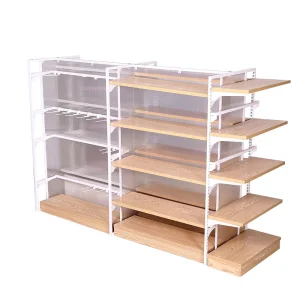
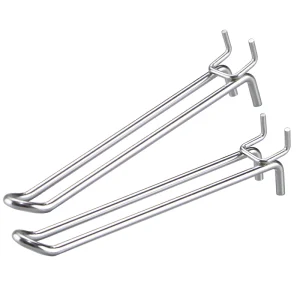
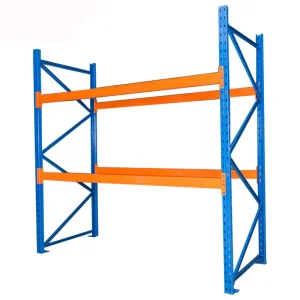
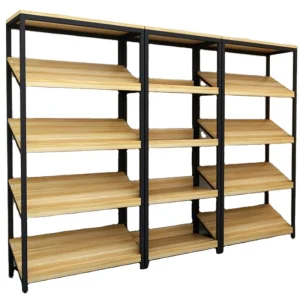
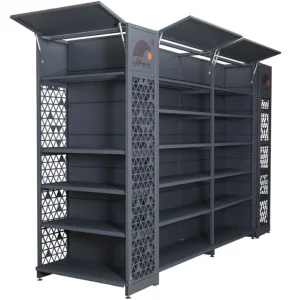
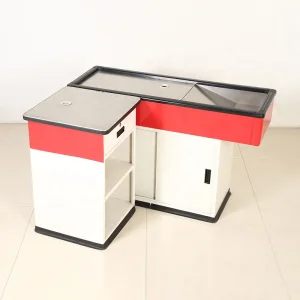
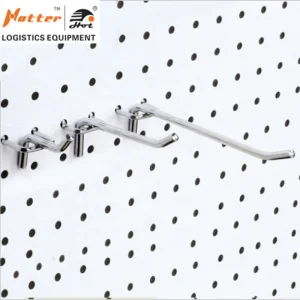
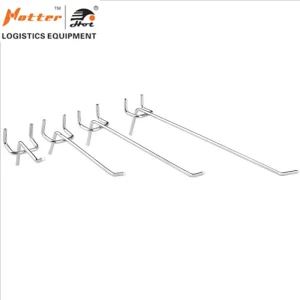
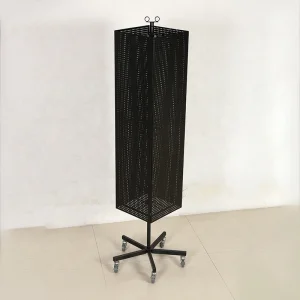
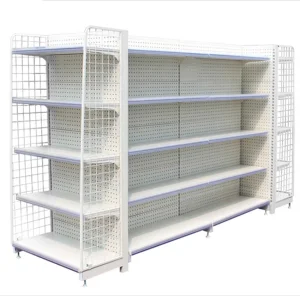
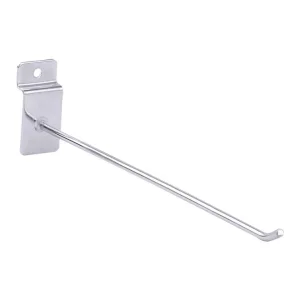
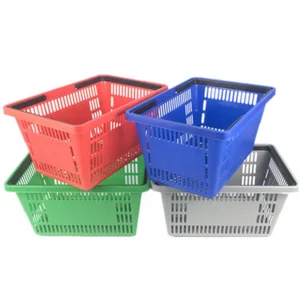
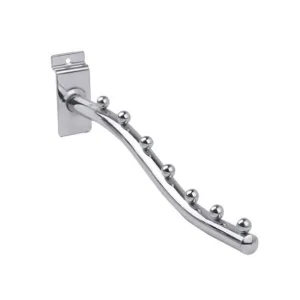
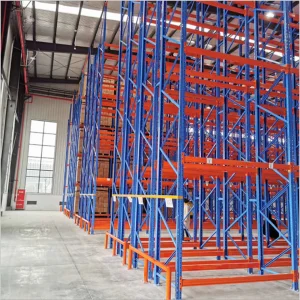
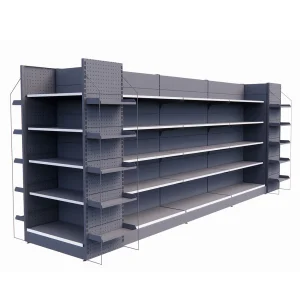
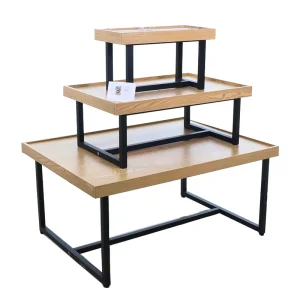
The product set below reflects the commercial shelving ecosystem a wire rack factory must support: supermarket gondolas, wooden display shelves, pegboard hooks, cashier counters, slatwall accessories, and heavy-duty storage. Each item links directly to its product page for technical review and quotation.
A B2B buyer searching for top China wire rack factories and exporters is not browsing a generic product list. They are mining for a verifiable manufacturing partner who can support retail shelving, supermarket gondolas, pegboard hooks, warehouse racking, custom finishes, export packing, and repeatable quality across multiple shipments. Google’s Search Quality Rater Guidelines place strong emphasis on beneficial purpose, expertise, transparency, and trust. For a supplier-selection page, the best response combines factory evidence, product depth, engineering knowledge, and procurement guidance.
Factory location, production floor, QC team, export record, and equipment list help a buyer determine whether the page represents a real manufacturer or a thin intermediary.
Wire racks and shelving are configured by bay width, shelf depth, load, finish, connector, and display function. Buyers need technical context to match fixtures to planograms and store formats.
Export documentation, inspection records, packaging standards, and clear boundaries around certification responsibilities reduce sourcing risk before a purchase order is issued.
OEM and ODM capability is valuable only when it connects to engineering drawings, samples, packaging, and repeat-order consistency.
This white paper synthesizes the factory-verified operating data below, direct manufacturing-process evidence, export-market experience, quality-control routines, and a procurement decision model built for B2B sourcing teams. Where a specification depends on configuration, project drawings, installation conditions, or country requirements, the boundary is stated rather than presenting a universal claim.
Guangdong Hotter Commercial Equipment Co., Ltd. is a professional manufacturer of retail shelving, warehouse racking systems, supermarket display equipment, and customized storage solutions. Established in 2016, we have been committed to delivering high-quality commercial storage products to customers worldwide through advanced manufacturing capabilities, strict quality control, and continuous product innovation.
Our manufacturing facility covers over 26,800 square meters, equipped with automated production lines, precision laser cutting machines, CNC bending equipment, robotic welding systems, and powder coating workshops, ensuring efficient production and consistent product quality. With an annual export revenue exceeding US$18 million, we have accumulated 8 years of export experience and 10 years of industry expertise, serving clients across global markets.
Quality is the foundation of our business. Every production process is monitored under a comprehensive quality management system. Our products undergo 100% dimensional inspection, load-bearing tests, surface coating adhesion tests, and final assembly inspections before shipment. Supported by a professional quality control team of 56 inspectors, we ensure every product meets international standards and customer requirements.
As an export-oriented enterprise, our primary markets include North America, Europe, Southeast Asia, Australia, the Middle East, and South America. We have established long-term partnerships with more than 1,200 supply chain partners, enabling stable production capacity and flexible delivery schedules.
Our customers include retail chain stores, supermarket groups, warehouse logistics companies, wholesalers, distributors, contractors, and commercial equipment importers. We understand that every project is unique, which is why we provide comprehensive OEM and ODM services, including customized dimensions, materials, colors, structural designs, branding, and packaging solutions.
Innovation drives our growth. Our experienced R&D department consists of 68 professional engineers dedicated to developing new shelving systems and improving manufacturing technologies. Last year alone, we successfully introduced 186 new products to meet evolving market demands and provide customers with more competitive commercial display solutions.
Backed by reliable manufacturing, strong engineering capabilities, flexible customization services, and responsive customer support, Guangdong Hotter Commercial Equipment Co., Ltd. is committed to becoming your trusted partner for high-quality shelving and storage solutions worldwide. We welcome customers from around the world to cooperate with us and create long-term business success together.
Buyers comparing China wire rack factories need evidence that can be checked, sampled, and written into supplier qualification files. These indicators provide a practical starting point for factory audits, capability reviews, and RFQ discussions.
Established manufacturing base with continuous export development.
Manufacturing facility with automated production lines and coating workshops.
Annual export revenue indicating active international order execution.
Supply chain partners supporting capacity and delivery flexibility.
Professional quality control inspectors monitoring production and shipment.
R&D engineers developing shelving systems and manufacturing improvements.
Process visibility is one of the strongest trust signals in sourcing. For wire racks, supermarket shelves, gondolas, hooks, and warehouse racking, quality is created through material control, punching, coating, molding, assembly, inspection, and packing—not merely through a final visual check.
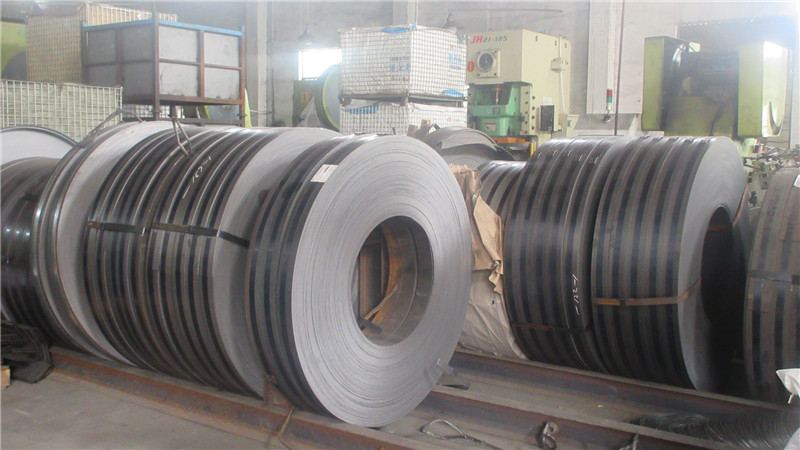
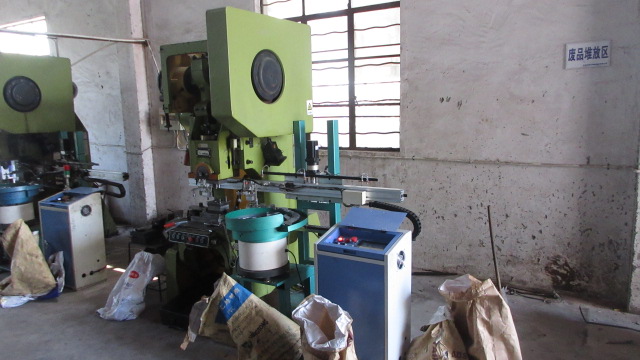

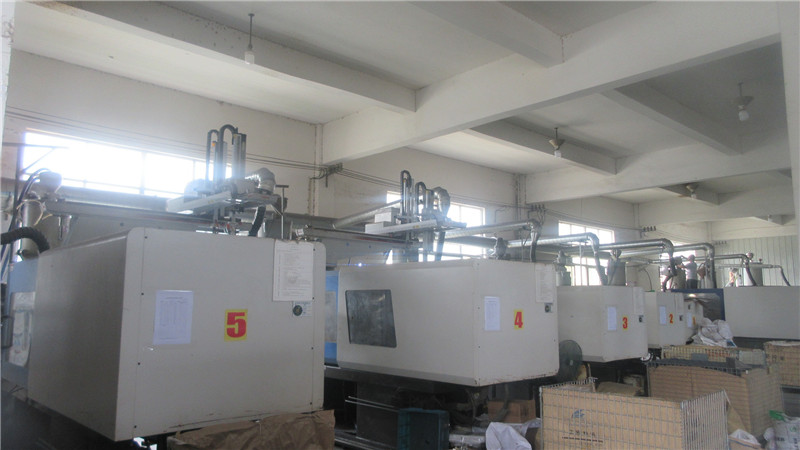
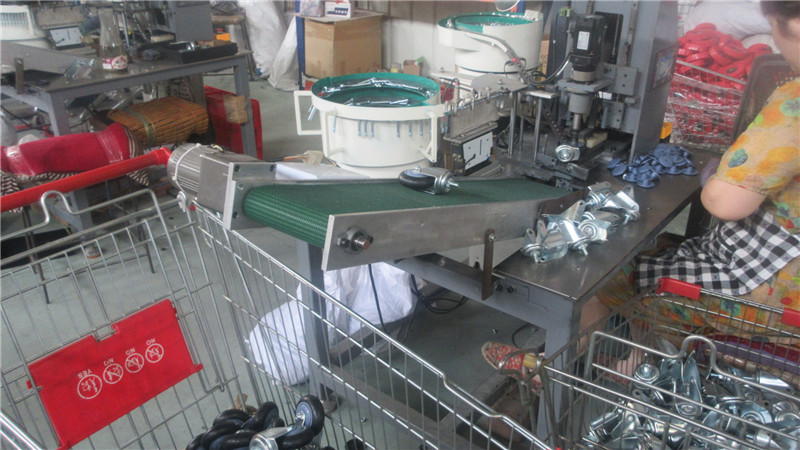
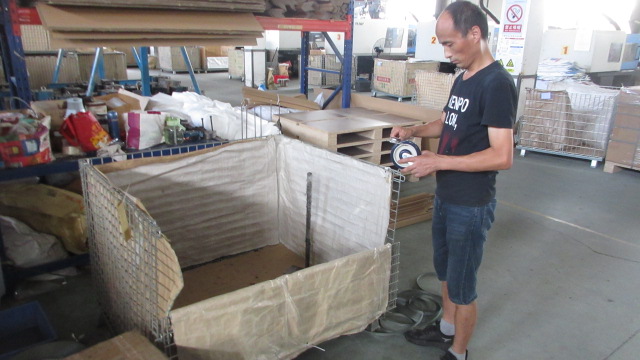
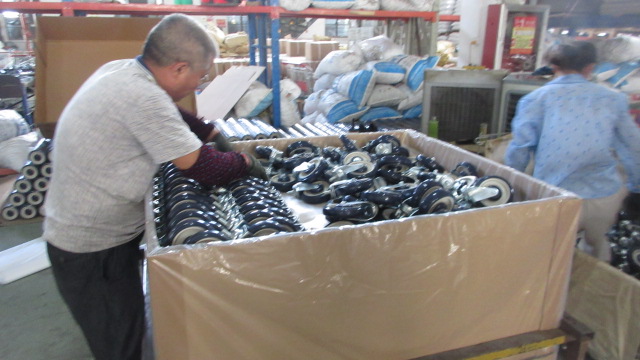
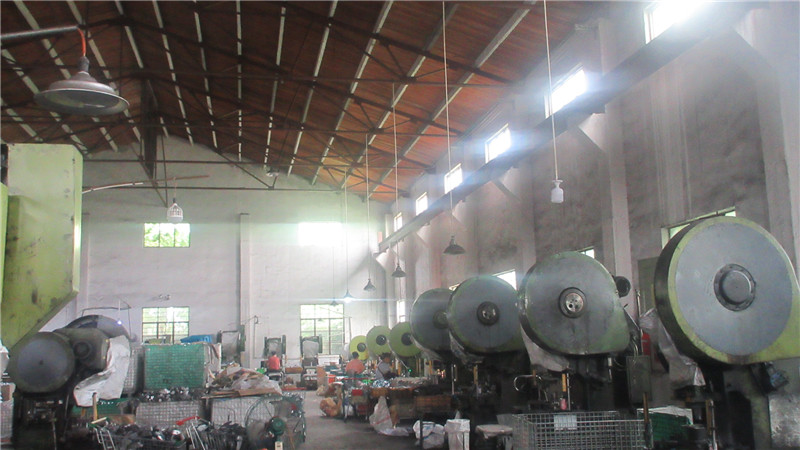
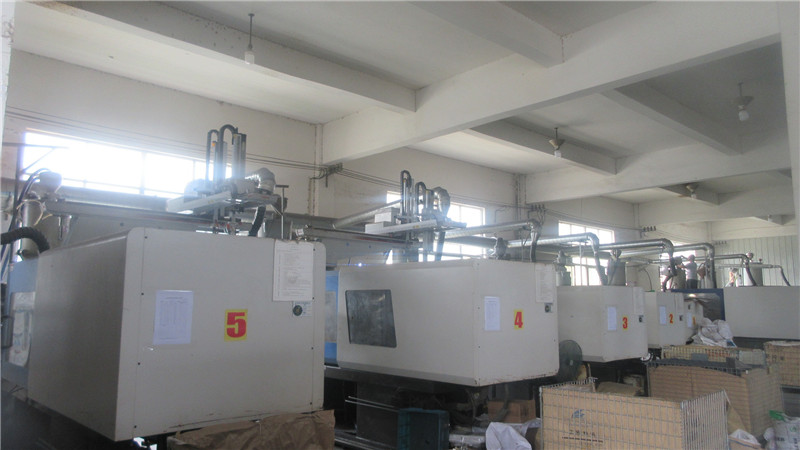
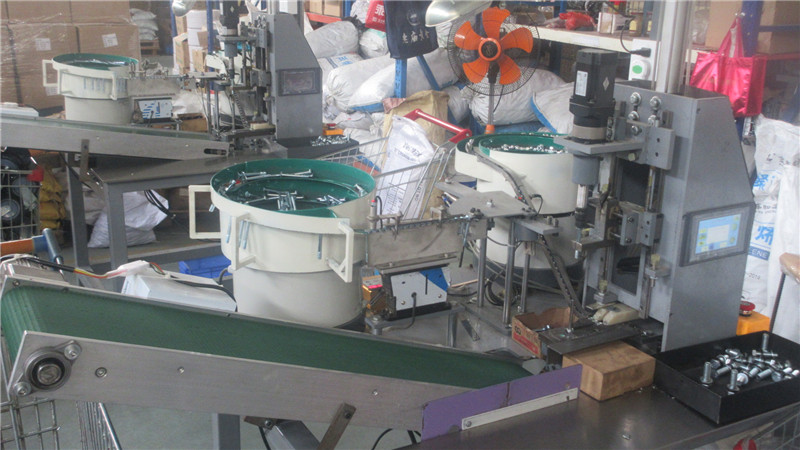
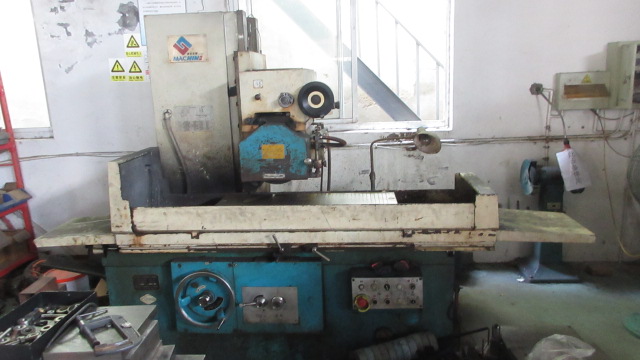
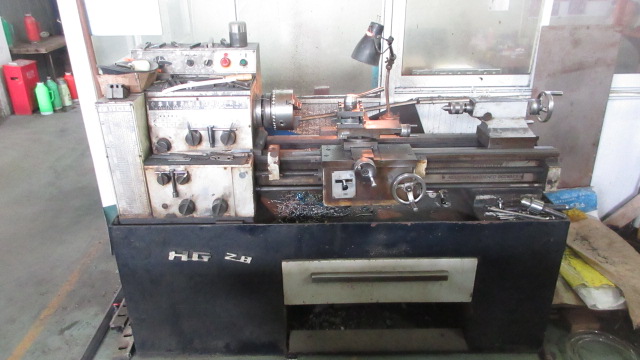
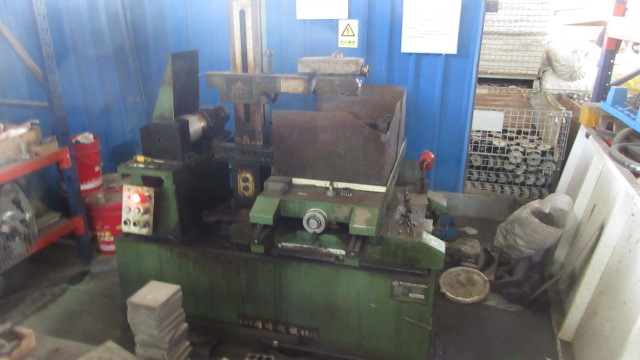
Retail formats, warehouse utilization, and brand expectations are changing. The strongest factories are responding with modular engineering, better coating durability, hybrid materials, and more complete documentation for procurement teams.
Retail chains want shelves that can be reconfigured as planograms change. Standard bay widths, adjustable layers, compatible hooks, and replaceable parts reduce future expansion cost.
Warehouse and grocery buyers are requesting stronger steel frames, stable feet, and clear load-bearing evidence while still controlling container weight and installation effort.
Surface durability remains critical for retail environments. Powder coating, recyclable steel, and packaging reduction are becoming part of supplier evaluation, not just product appearance.
Steel frames provide structure while wood shelves improve visual warmth. Brands use hybrid shelving to match store concepts without sacrificing modularity or load performance.
Buyers need consistent packaging, flat-pack planning, mixed-container loading, and sample approval workflows that shorten the gap between concept and store opening.
Drawings, inspection photos, load-test summaries, and packaging files increasingly support remote supplier qualification and repeat-order consistency.
Across North America, Europe, Southeast Asia, Australia, the Middle East, and South America, buyers evaluate commercial racking differently by channel. The common thread is a demand for repeatable quality, transparent engineering, and export-ready communication.
Need planogram consistency, color matching, replacement parts, sample approval, and container-level rollout planning for multiple stores. Double-sided gondolas, wooden supermarket shelves, and cashier counters are often reviewed together.
Prioritize heavy cargo racks, structural steel, load-bearing tests, stacking stability, dimensions, and assembly clarity. A minor tolerance issue can affect safety and operational efficiency.
Look for mixed-container flexibility, private-label packaging, hook and bracket compatibility, substitution planning, and repeat-order consistency across categories.
Require drawings, dimension accuracy, installation sequence, replacement-part availability, and responsive communication when site conditions change.
A wire rack factory should think beyond a single SKU. The most useful export partner helps buyers assemble a complete fixture ecosystem for stores, stockrooms, and distributor catalogs.
Double-sided gondola shelves, heavy-duty grocery display shelves, steel-wood water tables, cashier counters, and plastic baskets support high-frequency retail environments and coordinated store layouts.
Inclined shelves, multi-layer display shelves, compact express shelving, and pegboard hooks improve visibility in limited footprints and support fast product replenishment.
Pegboard hooks, slatwall hooks, U-shape hangers, and perforated panel accessories help organize small parts, tools, and high-SKU categories with flexible merchandising.
Heavy cargo racks, steel-frame storage shelves, and sundries stock shelving support backroom organization where load and durability matter more than decorative finish.
Mixed-container programs can combine display shelves, hooks, baskets, and accessories to help importers serve multiple retail segments from one supply chain.
Modular gondolas, wood-finish shelves, and flexible hook systems allow brands to test formats, refresh layouts, and maintain a consistent visual identity across markets.
Price alone is a weak comparison metric for commercial racking. Experienced buyers build a weighted scorecard that reflects quality risk, engineering effort, landed cost, delivery, and documentation.
This is an illustrative procurement planning model, not a universal market statistic. Buyers should adjust weights for heavy-duty, cold-chain, brand-retail, budget-driven, or fast-rollout projects.
International buyers need more than a factory price. They need documentation, packaging coordination, and a supplier that understands where responsibility begins and ends in a cross-border project.
Support can include dimensional inspection records, load-bearing test summaries, surface coating adhesion checks, final assembly inspections, packing lists, and pre-shipment photos aligned with the order specification.
Carton marks, barcode labels, protective film, edge protection, mixed-carton planning, and replacement-part packing can be customized to match importer, distributor, or retail-chain requirements.
Drawings, sample approval, color review, packaging artwork, and change confirmation help reduce misalignment before mass production and container loading.
Country-specific certification, fire, structural, or labeling requirements should be confirmed by the buyer and supplier before the order. A reliable factory states assumptions clearly rather than implying universal compliance.
The next stage of competition will not be limited to price per bay. It will include modular engineering, evidence-based quality, faster customization, packaging efficiency, and export documentation maturity.
More standardized connectors, adjustable shelf patterns, and hook compatibility so distributors can reduce SKU complexity while supporting multiple store formats.
Deeper focus on powder coating adhesion, corrosion resistance, heavy-duty steel structures, and configuration-specific load guidance for grocery and warehouse buyers.
Expanded use of digital drawings, inspection photo sets, packing references, and QR-linked technical information to support remote supplier qualification.
Expected growth in laser cutting precision, robotic welding consistency, coating process monitoring, and batch-level inspection traceability.
More efficient steel utilization, recyclable packaging, container-loading optimization, and design-for-repair thinking as global buyers formalize sustainability targets.
Use this checklist to turn supplier comparisons into an auditable decision process. It is especially useful for retail-chain rollouts, supermarket shelving programs, pegboard accessory sourcing, and warehouse racking projects.
Confirm legal entity, factory address, production floor, equipment, QC team, and export experience. Request live or recent photos and video where appropriate.
Review bay dimensions, shelf thickness, hole patterns, connector design, and tolerance ranges before quoting. Clear drawings prevent installation problems.
Ask for load test records for the exact configuration, plus notes on anchoring, floor conditions, and shelf deflection limits. Final limits belong in the approved specification.
Evaluate powder coating finish, color consistency, adhesion tests, rust risk, touch-up plans, and packaging protection for transit and handling.
Confirm carton strength, corner protection, barcode labels, mixed SKU planning, spare parts, and loading sequence so the shipment arrives complete.
Use dimensional inspection, load-bearing tests, coating checks, assembly checks, and pre-shipment photos as order-specific evidence rather than verbal assurances.
Clarify drawings, tooling ownership, logo use, packaging artwork, sample approval, and confidentiality before developing custom shelving or branded retail fixtures.
Test responsiveness during quotation, sample review, and change management. A supplier that documents decisions early is usually easier to work with after shipment.
These concise answers address the questions most often raised by importers, retail chains, distributors, and fit-out contractors during supplier qualification.
A credible factory should provide verifiable manufacturing evidence: factory size, production equipment, engineering team, QC structure, export revenue, market coverage, and product scope. Guangdong Hotter Commercial Equipment Co., Ltd. offers concrete indicators such as establishment in 2016, a 26,800 m² facility, 68 engineers, 56 inspectors, and annual export revenue exceeding US$18 million.
Request load-bearing test records, steel thickness and structure details, shelf deflection information, connector design, feet or leveling details, and assembly instructions for the exact configuration. Actual performance depends on configuration, anchoring, loading pattern, and floor conditions, so final load limits should be confirmed in drawings and the purchase contract.
Yes. The original company profile confirms comprehensive OEM and ODM services, including customized dimensions, materials, colors, structural designs, branding, and packaging solutions. Buyers should still define drawing approval, sample approval, packaging artwork, tooling ownership, and IP protection before production.
The primary markets stated in the company profile include North America, Europe, Southeast Asia, Australia, the Middle East, and South America. Product documentation and packaging requirements can vary by destination, so country-specific requirements should be confirmed during quotation.
The company profile states that products undergo 100% dimensional inspection, load-bearing tests, surface coating adhesion tests, and final assembly inspections before shipment. A professional QC team of 56 inspectors supports these checks. Buyers can request order-specific inspection records and pre-shipment photos.
Packaging should be matched to product structure and destination. Typical considerations include protective film, carton strength, edge protection, foam or separators, barcode labels, mixed-carton planning, spare accessory packing, and container-loading efficiency. The approved packing method should be documented before mass production.
Support can include English technical communication, drawings, sample approval coordination, region-specific packaging and labeling, inspection documentation, and export packing coordination. For country-specific certification or fire/structural requirements, the buyer and supplier should confirm responsibilities before the order.
Build a scorecard that includes product durability, load performance, coating quality, container utilization, replacement-part availability, damage risk, installation time, documentation readiness, communication quality, and after-sales support. The lowest unit price can become the most expensive option if rollout delays or replacement shipments are required.
These additional products support grocery display, gondola shelving, slatwall and pegboard merchandising, heavy cargo storage, and supermarket accessories. Use the product links below to review specifications, request samples, or start an OEM/ODM quotation.
 Hotter Commercial Equipment