Global Retail Logistics & Display Engineering

Top Trusted Grocery Cart Supplier & Exporter

Global Market Insights

Decoupling Global Enterprise Procurement: The Modern Shopping Cart Blueprint

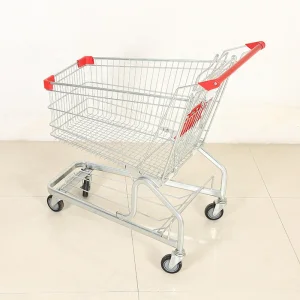
Within the hyper-competitive international retail market, the grocery cart has evolved from a basic mechanical transport vehicle into a key customer touchpoint and operational asset. Global enterprise buyers do not simply acquire metal wire baskets; they invest in fleet systems designed to minimize TCO (Total Cost of Ownership), limit store shrinkage, and optimize customer dwell time.

Modern retail environments demand high-integrity structural materials. Carts must withstand diverse regional environments—ranging from the high UV indices of South America to the humid conditions of coastal Southeast Asia, and the sub-zero temperatures of Northern Europe. A failure in chassis strength, wheel bearings, or anti-oxidation coatings directly results in operational friction, customer dissatisfaction, and liability exposures.

  • High-Density Material Engineering: Polycarbonate and modified UV-stabilized polypropylene polymers offer structural resilience without the weight penalties of traditional steel.
  • Ergonomic Maneuverability: Low rolling resistance casters equipped with precision double-ball bearings reduce customer physical effort by up to 35%.
  • Anti-Theft and Safety Integrations: Modular bases compatible with RFID and smart wheel locks prevent loss and track asset location.
Technological Milestones

Macro Trends Influencing Supermarket Logistics

Industrial design in commercial retail is prioritizing sustainable materials and digitalization. We are monitoring two structural macro trends:

1. The Transition to Hybrid & Bio-Plastic Fleets

By blending post-consumer recycled plastics with structural glass-fiber reinforcement, manufacturers reduce carbon footprints while matching the load-bearing performance of structural steel frames.

2. RFID and Smart Checkout Architecture

Next-generation carts feature customized nests for tablet mounts, scanner integrations, and telemetry chips, turning shopping equipment into data-gathering endpoints that map floor-traffic patterns.

26.8k+

SQM Plant Area

$18M+

Annual Export Value

56

QC Specialists

68

R&D Engineers

Integrated Systems

Macro-Level Industry Solutions

Combining heavy-duty gondola shelving, retail displays, and mobile material handling equipment into a high-efficiency retail operation.

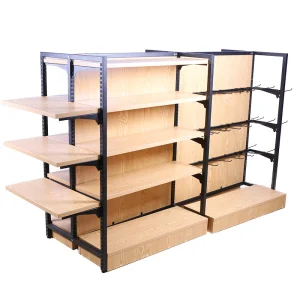
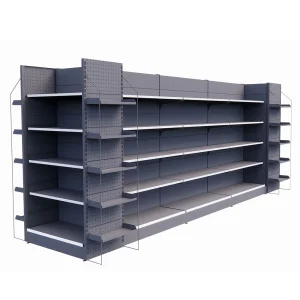
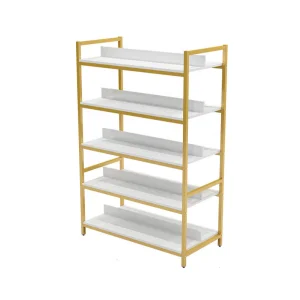
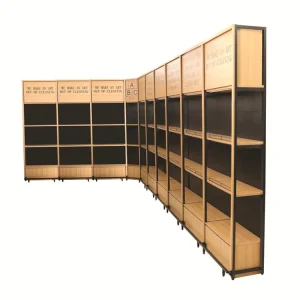
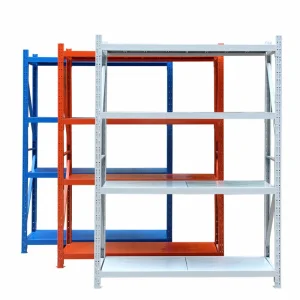
Heavy-Duty Gondola Shelving

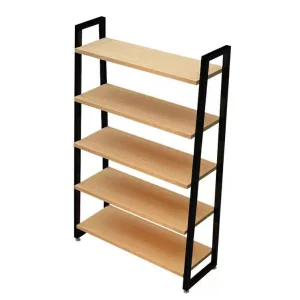
Designed to maximize high-density display space. Features modular interlocking steel frames that carry distributed loads up to 150kg per shelf, optimizing vertical space across grocery store aisles.

Explore Gondola Options

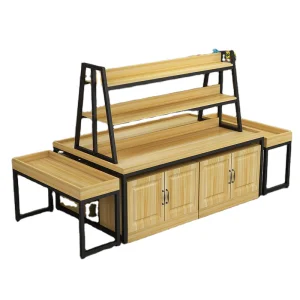
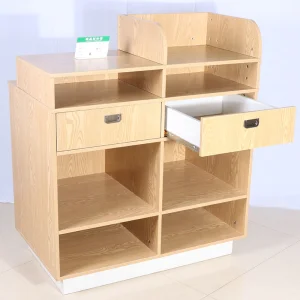
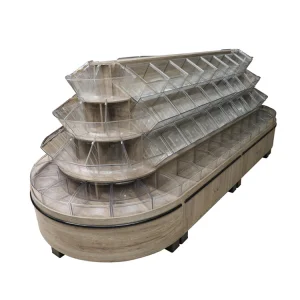
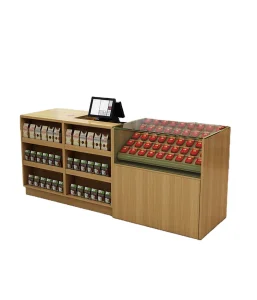
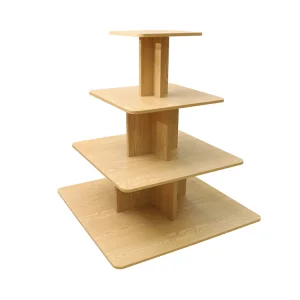
High-End Display Cabinets

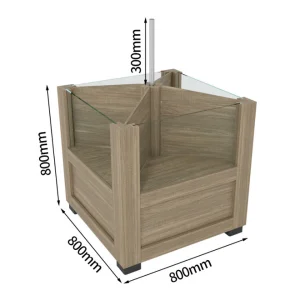
Combining wood, steel, and acrylic, our premium display tables and checkout systems improve product visibility. Ideal for cosmetics, pharmacy counters, and high-margin impulse items.

Explore Premium Displays

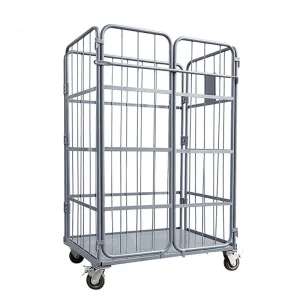
Warehouse Logistics & Roll Cages

Heavy-duty roll cages and warehouse racking systems facilitate fast fulfillment. Smooth movement from distribution center to floor shelves minimizes stockout frequency.

Explore Roll Cages
Manufacturing Authority

Guangdong Hotter Commercial Equipment Co., Ltd.

Established in 2016, Guangdong Hotter Commercial Equipment Co., Ltd. is a specialized manufacturer of retail shelving, warehouse racking systems, supermarket display equipment, and custom storage solutions. Operating from a 26,800 square meter manufacturing facility, we provide commercial storage and transport products to retail networks globally.

Our production facilities utilize automated production lines, precision laser cutting machinery, CNC bending equipment, robotic welding systems, and electrostatic powder coating lines. These assets enable efficient production and support our annual export revenue exceeding US$18 million.

With 8 years of export experience and 10 years of industry expertise, we partner with more than 1,200 supply chain companies in North America, Europe, Southeast Asia, Australia, the Middle East, and South America.

Quality Control Protocol

100% Inspection & Compliance Framework

We apply a comprehensive quality management system across each stage of production. Products undergo rigorous verification before shipping, including:

  • Dimensional Verification: 100% inspection of critical tolerance limits.
  • Load-Bearing Tests: Static and dynamic stress loading to ensure rated limits.
  • Surface Coating Adhesion Tests: Cross-hatch and salt-spray tests to ensure corrosion resistance.
  • Pre-Shipment Inspections: Final structural assembly checking by our 56 quality inspectors.
Manufacturing Precision

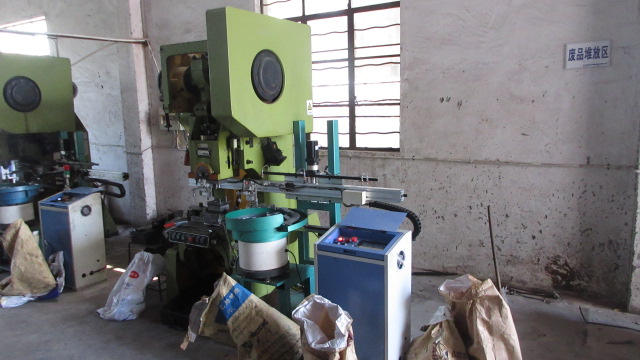
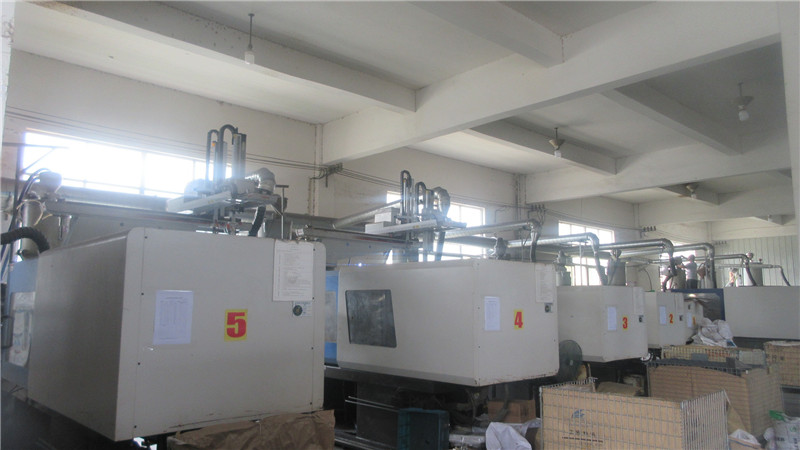
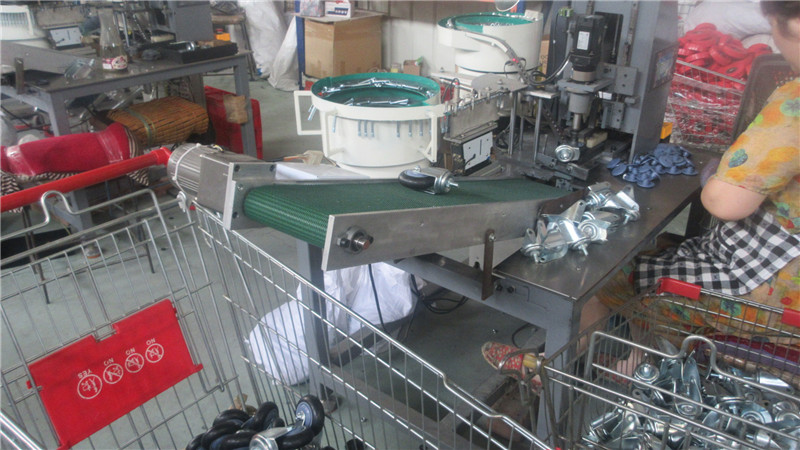
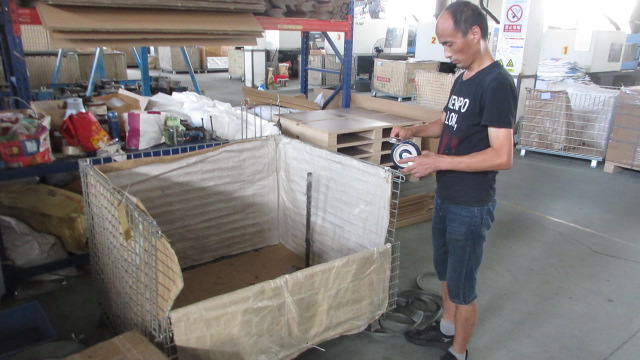
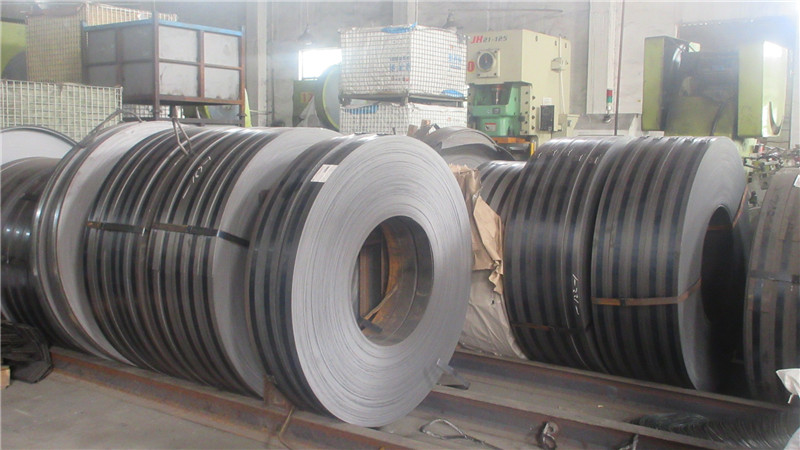
High-Output Fabrication Facilities & Operations

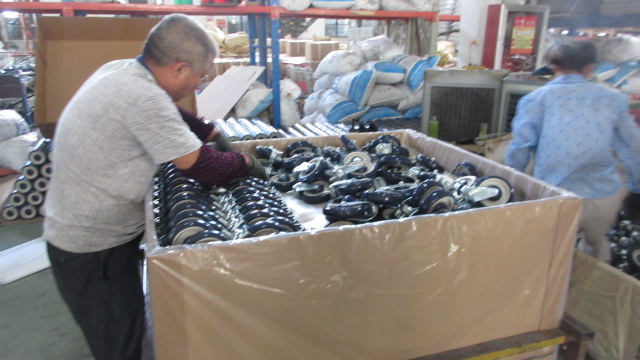
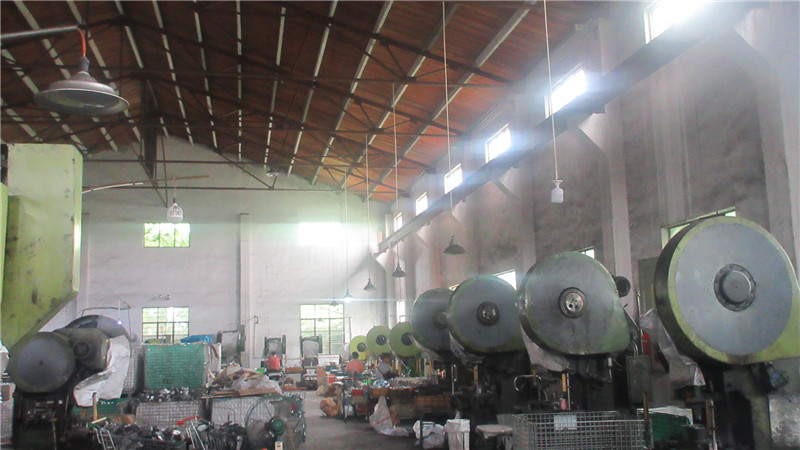
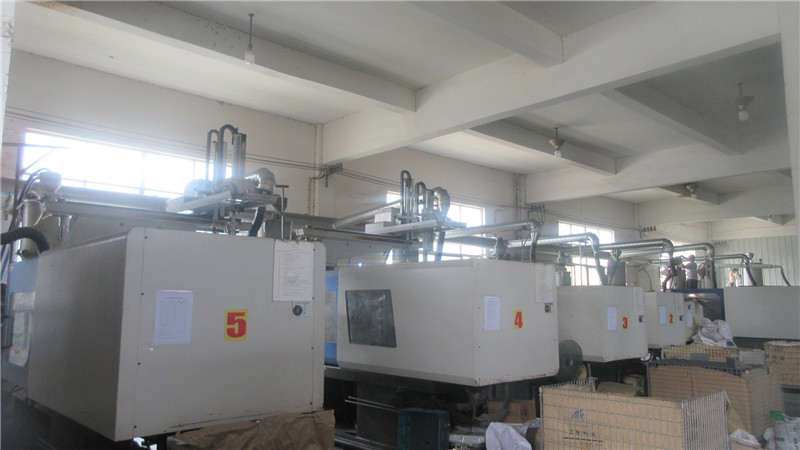
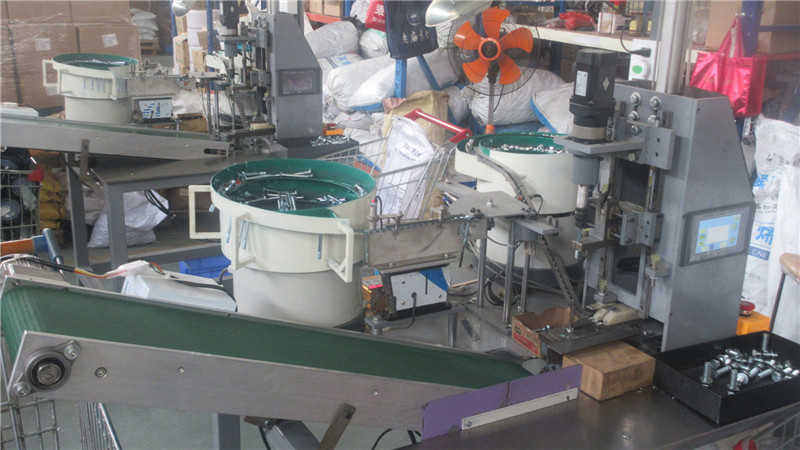
A detailed view of our production workflow and modern machinery lines.
Operational Workflows

Raw Materials
Raw Materials
Punching
Punching
Plating & Coating
Plating & Coating
Injection Molding
Injection Molding
Assembly
Assembly
Inspection
Inspection
Packing
Packing

Industrial Machinery Infrastructure

Punching Machine
Punching Machine
Injection Molding Machine
Assemble Machine
Assemble Machine
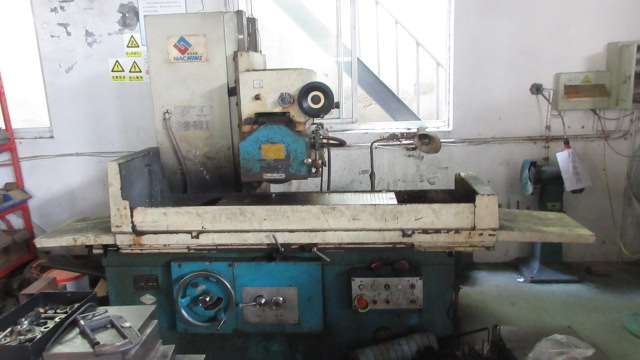
Grinding Machine
Grinding Machine
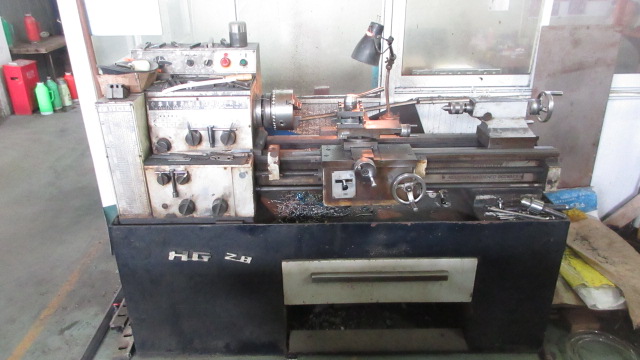
Lathe Machine
Lathe Machine
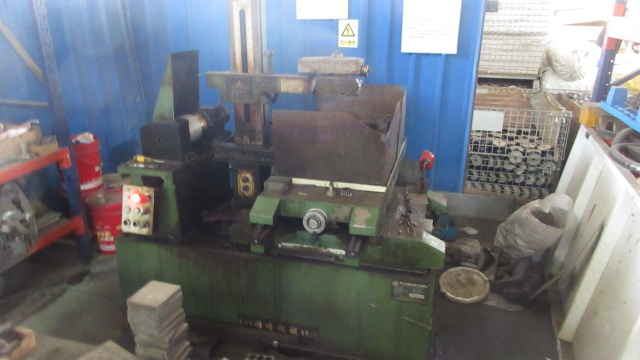
Wire Cutting Machine
Engineering Standards

Regulatory Conformity & Global Distribution

Global markets require compliance with international safety and durability codes. Our engineering team tests designs to meet standard requirements, including:

  • EN 1929 Standards: Structural requirements and testing criteria for supermarket shopping carts.
  • ISO 9001:2015 Certification: Our manufacturing plant is audited to meet international quality management benchmarks.
  • RoHS & REACH Compliance: Plastic bases, handles, and accessories are certified free of toxic plasticizers and heavy metals.
  • Salt Spray Corrosion Testing: Electro-galvanized finishes receive transparent powder lacquer topcoats, tested to exceed 120 hours of salt spray exposure.
Corporate Strategy

Research & Development: R&D Target Values

Guided by our 68 structural engineers, Hotter Commercial Equipment introduced 186 new products last year. Our engineering division works to optimize structural and mechanical parameters, focusing on:

Nesting Parameter Reductions: Optimizing frame geometries to decrease required floor space for nested cart lines by 15%, reducing store floor footprint requirements.

Acoustic Isolation: Adding rubber-shielded castor housings and sound-damping basket connectors to reduce in-store noise during operation.

Anti-Static Solutions: Integrating conductive metal wire patterns and ground chains to prevent static discharge on synthetic floor tiles.

Technical Support

Procurement & Engineering FAQ

Technical answers to common questions about supermarket shopping cart design and logistics.

What surface finish options are available, and how do they resist environmental corrosion?
Our shopping carts are finished using three options depending on environmental exposure: standard bright zinc plating, chrome plating, or a high-durability color powder coat. For coastal or outdoor locations, we apply an electrostatic powder lacquer layer over a zinc-plated base (double coating). This process passes 120-hour salt-spray tests and prevents rust caused by humidity or cleaning chemicals.
How do you guarantee load-bearing capacity and prevent frame deformation over time?
We use Q235 carbon steel and high-tensile steel wire for key load points. The chassis features a reinforced dual-wishbone structural bend that resists bending when heavily loaded. We run computerized stress tests and mechanical cycle tests under full load (up to 150 kg for large-capacity carts) before starting production.
Can we customize colors and integrate brand identity elements?
Yes. We offer complete OEM/ODM options. Plastic parts (handles, baskets, bumper guards, baby seats) can be produced in matching Pantone colors. Handles can be customized with integrated logos under a clear protection sleeve or styled with custom branding plates.
What type of casters and bearings are used on standard-sized trolleys?
We use 4-inch or 5-inch polyurethane (PU) or thermoplastic rubber (TPR) casters. Each wheel is fitted with precision, water-resistant radial ball bearings and protective thread guards. This keeps out dust, water, and hair, ensuring smooth rolling and quiet operation over years of service.
How do your nesting designs compare to industry standard footprints?
Our carts use space-saving nesting profiles. A standard 150-liter German-style cart has a nesting distance of 260mm. This allows store managers to store up to 38 carts in a standard 10-meter outdoor cart corral, saving floor space for other uses.
Do you offer smart-lock integration for loss prevention?
Yes, our handles and wheel assemblies are compatible with standard mechanical coin locks (supporting multiple currencies) and electronic RFID wheel locks. These systems prevent loss by locking the wheels if a cart crosses the store's perimeter line.