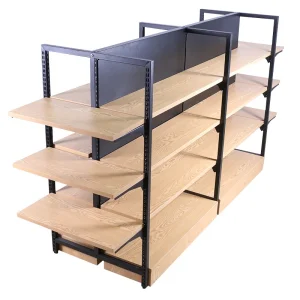
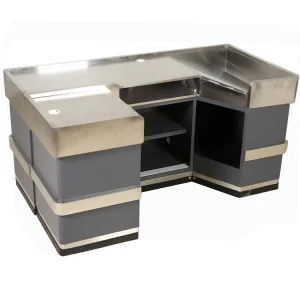
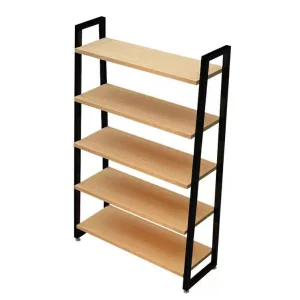
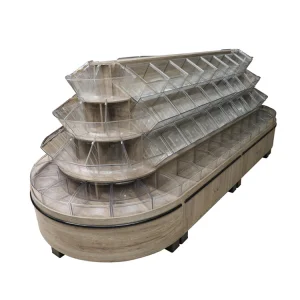
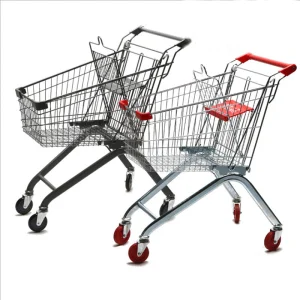
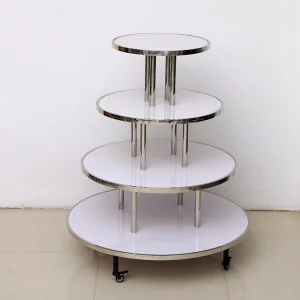
In the era of omnichannel retail, physical shopping platforms and supermarket storefronts are undergoing a massive technological convergence. Modern commercial spaces are no longer simple transaction hubs; they are high-performance logistic endpoints and customer experiential environments. Integrating digital management with physical structural reliability is critical. According to recent global commercial layout studies, optimized space layouts can drive up to 38% higher footfall monetization. Retail shelves, cash register counters, and custom modular displays act as the silent anchors of this offline environment.
The integration of IoT features, including Electronic Shelf Labeling (ESL), RFID tracking zones, and automated inventory systems, requires heavy structural support. Retailers need heavy-duty steel configurations paired with premium aesthetic accents (such as natural wood laminates) to maintain a warm yet highly practical store atmosphere. As hyper-scale supermarket platforms seek longer equipment lifecycles, global factory production has transitioned from simple sheet-metal bending to precision robotic manufacturing. This shift guarantees sub-millimeter tolerances and structural integrity under constant heavy loads.
By using precision-engineered structures, modern retail platforms minimize physical deflection and maximize load-bearing safety margins. Integrating structural design with visual merchandising layout protocols ensures that physical shops remain resilient, secure, and ready for automated replenishment solutions.
Procurement heads and commercial equipment importers are faced with stricter compliance requirements. B2B buyers looking for high-quality retail shelving, warehouse racking, and checkout counters look closely at three main metrics:
Established in 2016, Guangdong Hotter Commercial Equipment Co., Ltd. has grown into a leading manufacturer of retail shelving, warehouse racking systems, and customized supermarket display equipment. Driven by innovation, Hotter operates with a clear commitment to reliability and engineering precision, helping brand-owners and commercial importers improve their store logistics.
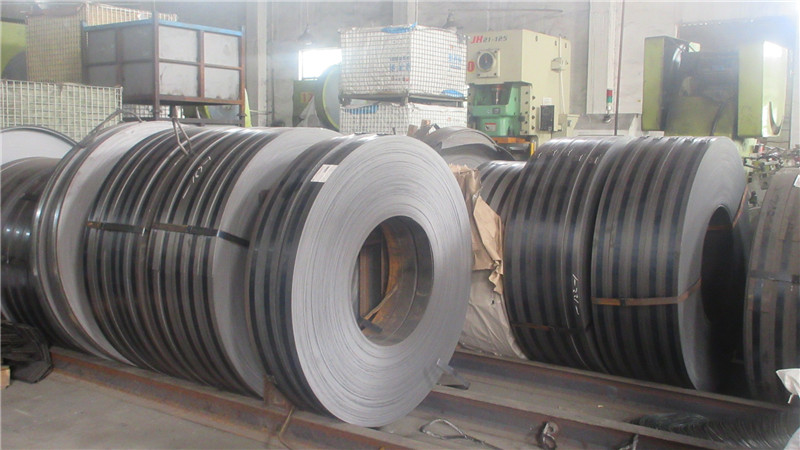
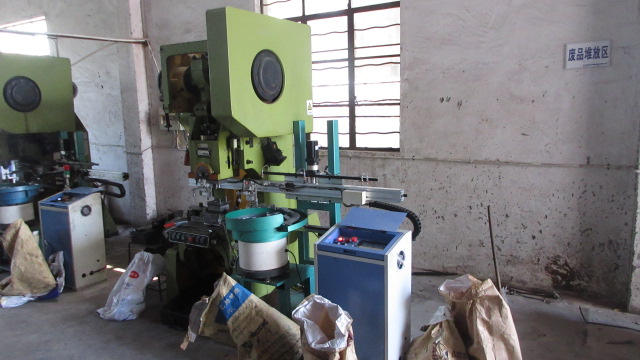
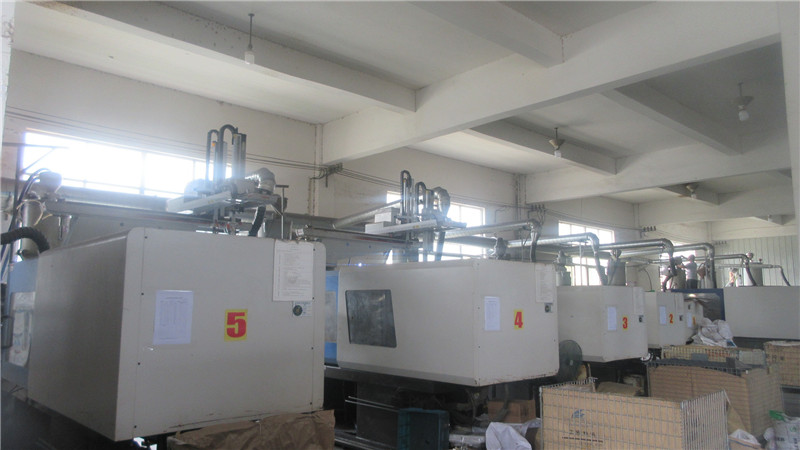
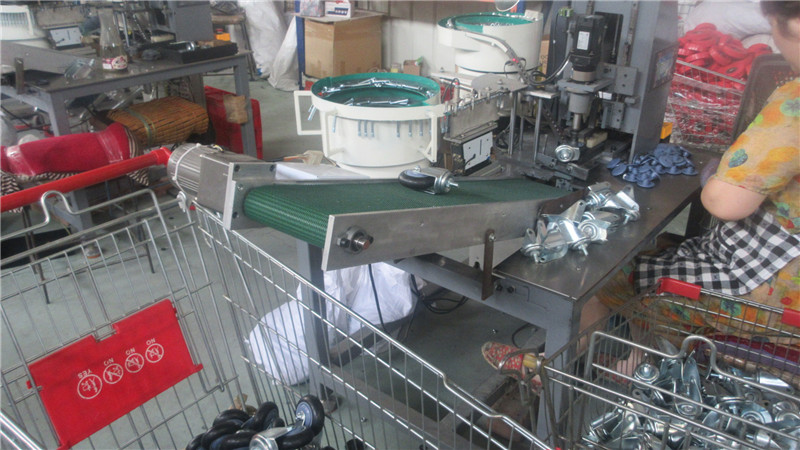
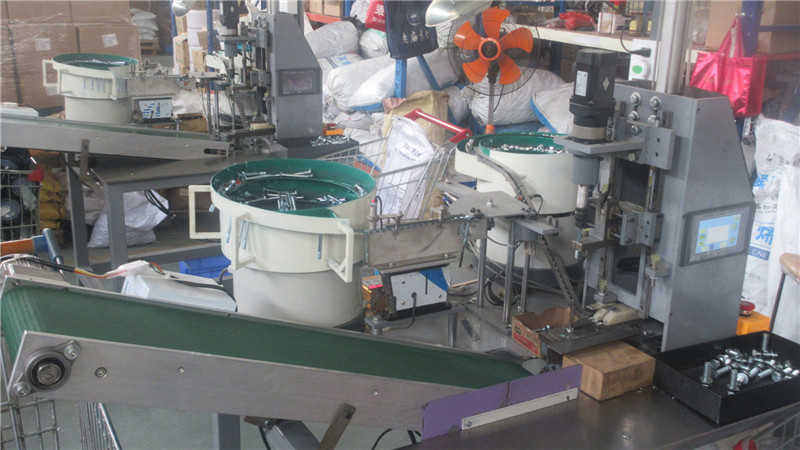
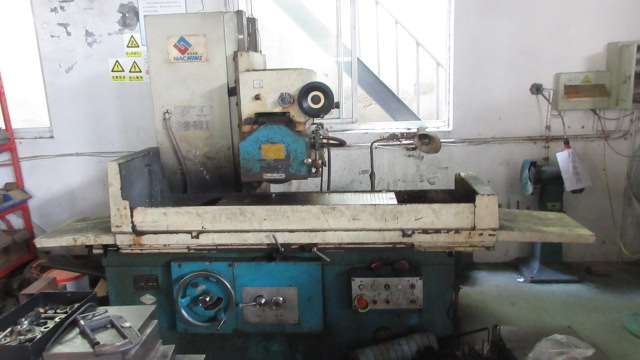
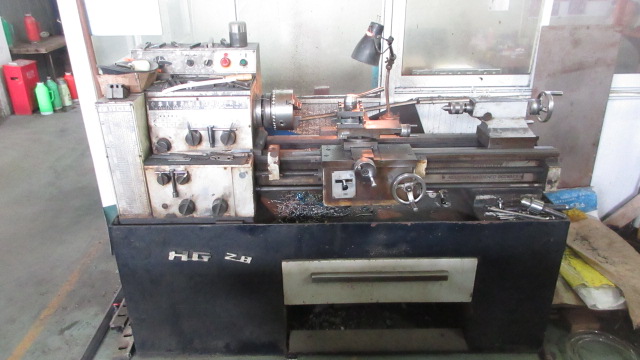
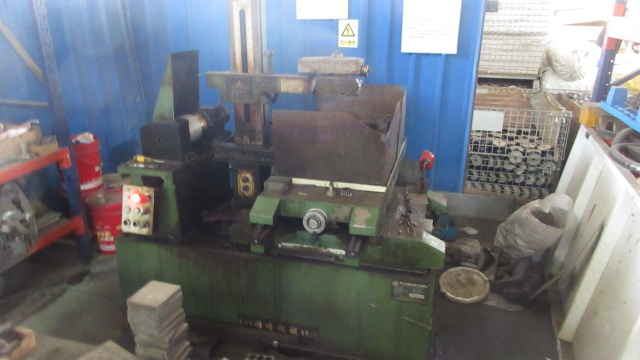
Hotter's factory features automated production lines, precision CNC bending machines, high-power fiber laser cutters, robotic welding arrays, and multi-stage powder coating systems. This tech-driven manufacturing setup delivers high efficiency and consistent product quality, helping retailers scale operations with ease.
The modernization of Chinese manufacturing, known as "Factory 4.0," is changing the global commercial equipment market. Guangdong Hotter's facilities demonstrate this shift, showing how advanced automation helps build a resilient and responsive supply chain.
Automated stamping, multi-angle robotic welding, and inline quality sensors minimize human error. This approach ensures consistent structural tolerances, providing reliable structural strength for long-term use.
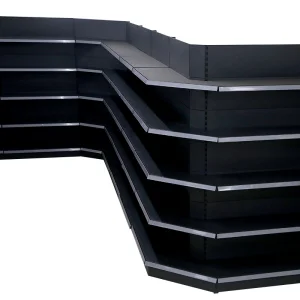
Digital CAD/CAM planning allows rapid prototyping and adaptation. Hotter can transition from standard metal gondola runs to highly customized, retail-brand display setups within short production runs.
Located in the Pearl River Delta industrial hub, Hotter maintains stable material sourcing for steel, wood, and polymers. This geographic position helps offset raw material price shifts and supply disruptions.
Every phase of production is monitored by a quality management system. Guangdong Hotter executes 100% dimensional inspection, load-bearing verification, surface coating adhesion testing, and test assemblies prior to container loading. This careful QC process prevents on-site installation issues for buyers worldwide.
An inside look at our advanced facility showing how raw materials are transformed into durable commercial equipment.

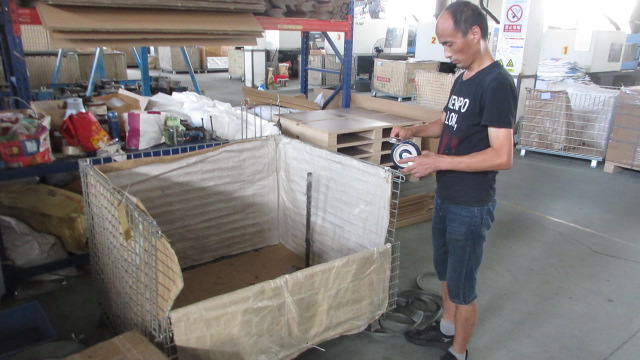
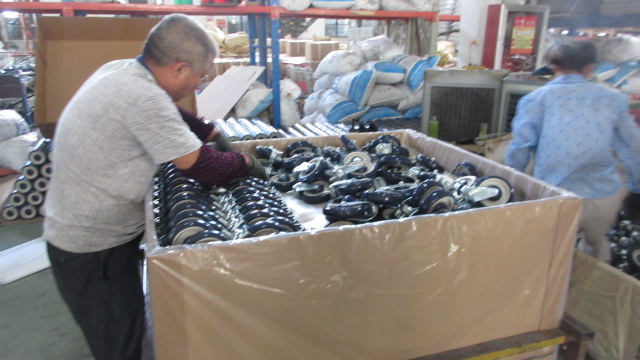
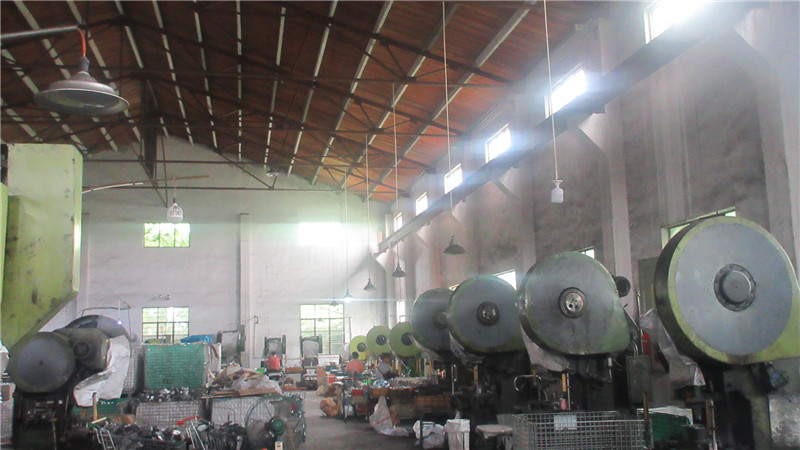
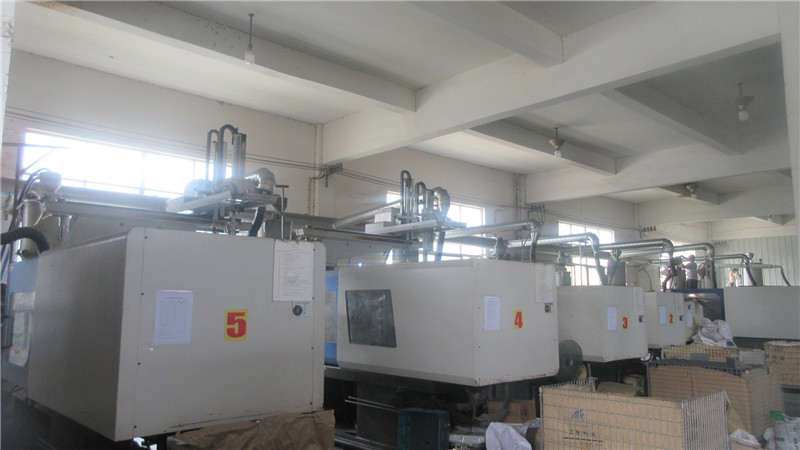
Every market presents distinct operational variables. The way retail display fixtures are configured depends heavily on local shopper behaviors, regional warehouse fire safety regulations, and shipping configurations.
North American supermarkets and hypermarkets require large, heavy-duty displays. These gondola units must meet high load capacities (often exceeding 150kg per shelf level) and comply with local fire safety and building regulations.
European retailers focus heavily on space optimization, modularity, and sustainability. Certified wooden shelving, elegant wire display systems, and ergonomic checkout stations help create functional layouts in compact urban stores.
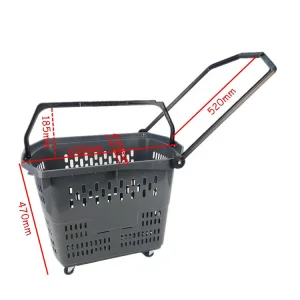
High humidity levels in Southeast Asian regions require extra rust prevention. Hotter's protective coating and zinc-plated wire baskets are designed to resist corrosion in damp store environments.
Review answers to key operational and production questions from retail developers, warehouse designers, and global procurement managers.
 Hotter Commercial Equipment